


Field Notes: Shooting with ORMS and Sony at Aquila Safari Lodge
We joined the amazing teams from ORMS and Sony Alpha South Africa for a day at Aquila Private Game Reserve and Spa.
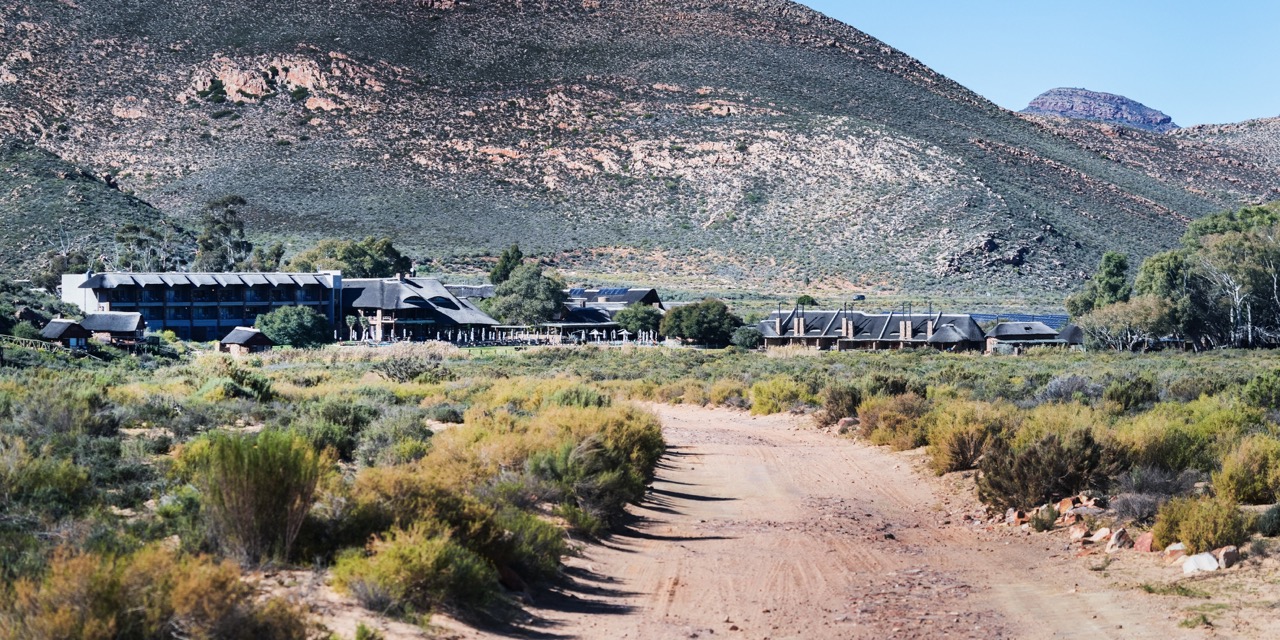
It was still dark when we arrived at ORMS just after 6am — that quiet hour when the city hasn’t quite gathered itself. Coffee in hand and gear laid out with intent, we joined the team from Sony Alpha South Africa and rolled gently toward Aquila Private Game Reserve and Spa. About two hours from Cape Town, nestled between the Langeberg and Outeniqua Mountains, it’s the kind of place you drive into with a head full of to-do lists and leave with dust in your hair and a heart a little more open.
The Karoo air was cool and light, stretching wide over low scrub and open space. Just outside Worcester, we paused for a coffee — a non-negotiable ritual on a road trip, especially one with a group of photographers. Everyone was excited but calm — the kind of excitement that settles deep rather than fizzes on the surface, like Karoo dust after rain.
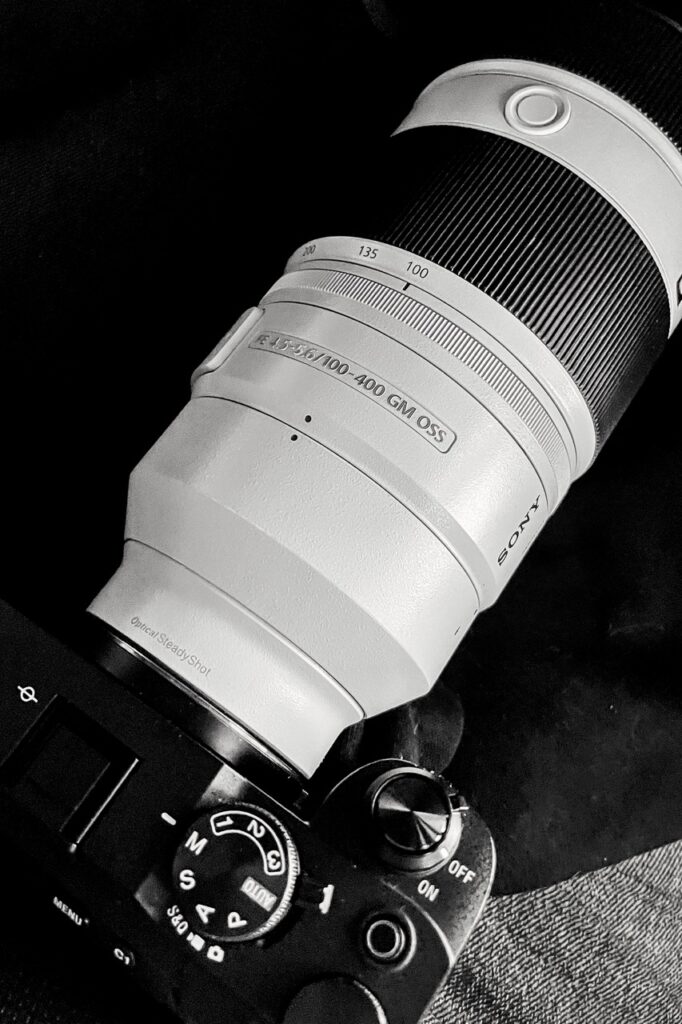
At Aquila, we were welcomed with drinks and the kind of hospitality that doesn’t need to be loud: grape juice, bubbly, fruit-infused water — small touches that somehow make the dust and early wakeup worth it. Breakfast followed — long tables of fresh fruit, yoghurt, eggs, pastries, and enough coffee to get the day going. Then it was time to test the Sony Alpha 7CR — a compact mirrorless system I’d been curious about — paired with the 100–400mm GM OSS lens. A pairing I hoped would be light enough for movement, but sharp enough for the work.
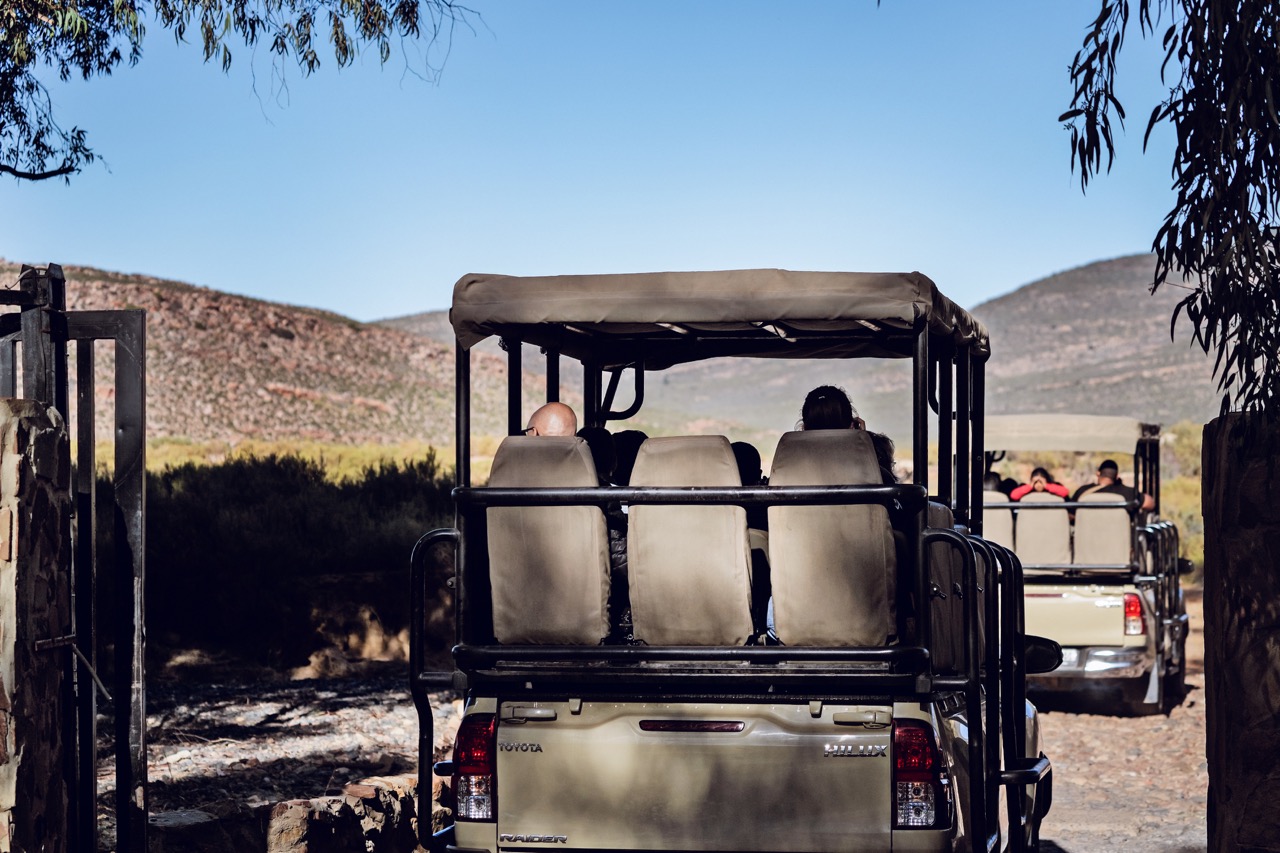
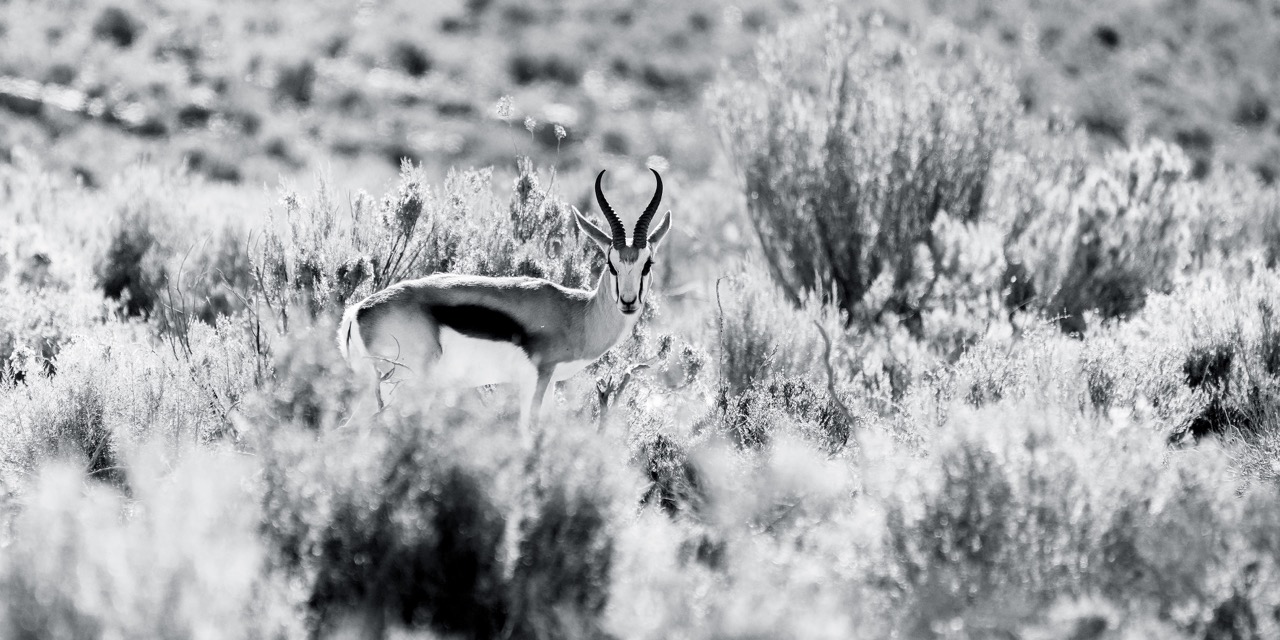
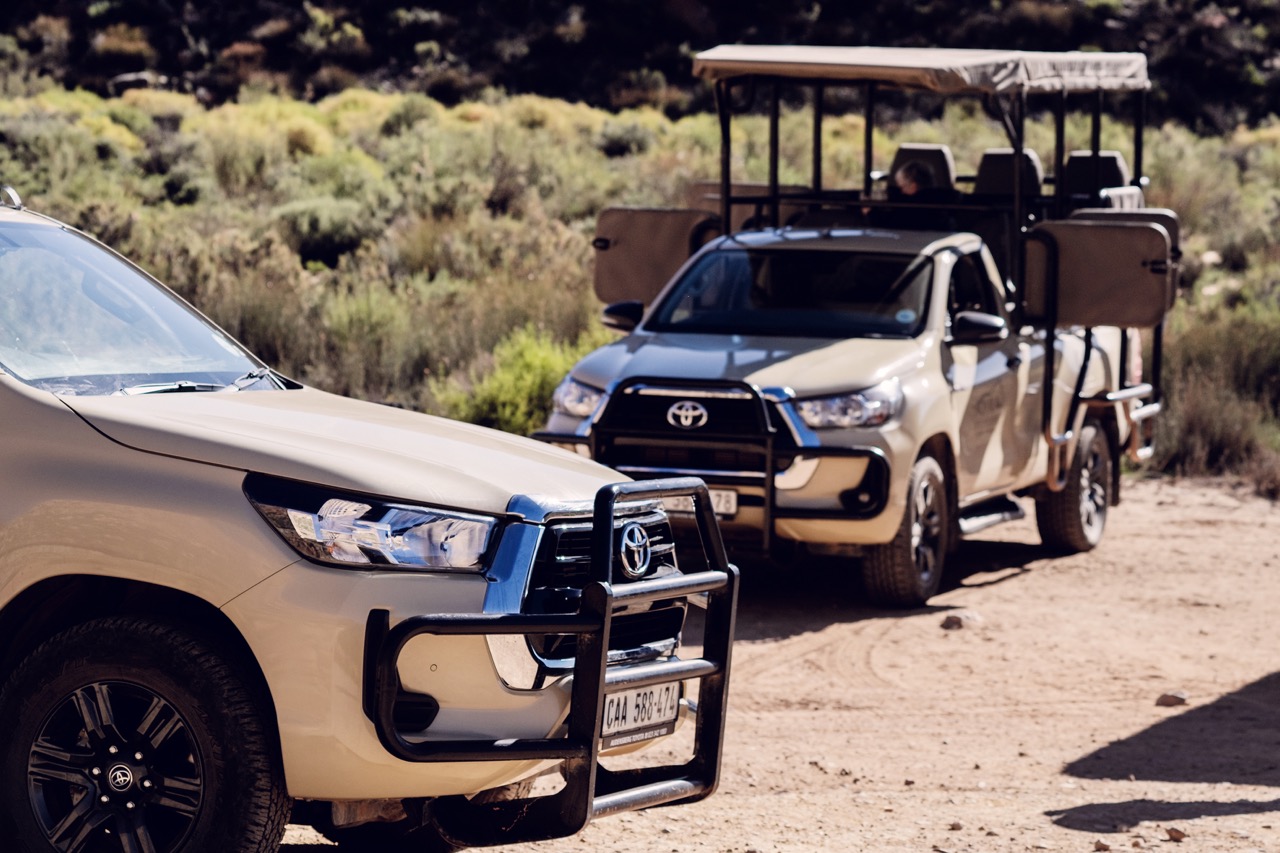
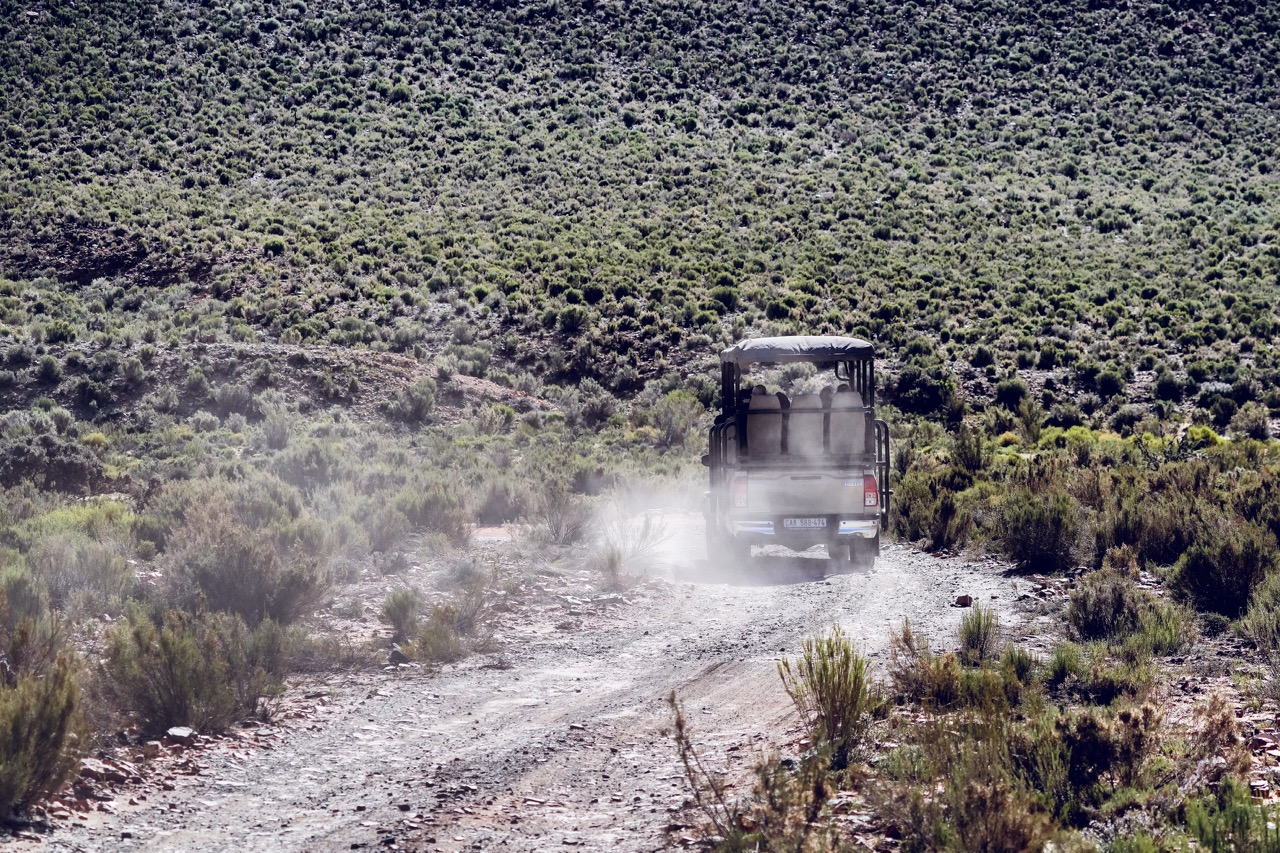
The game drive was the perfect setting — dust catching in the air and animals that seemed both utterly wild and strangely comfortable in our presence. The animals at Aquila are used to being observed but still retain the self-possession that reminds you this is their territory.
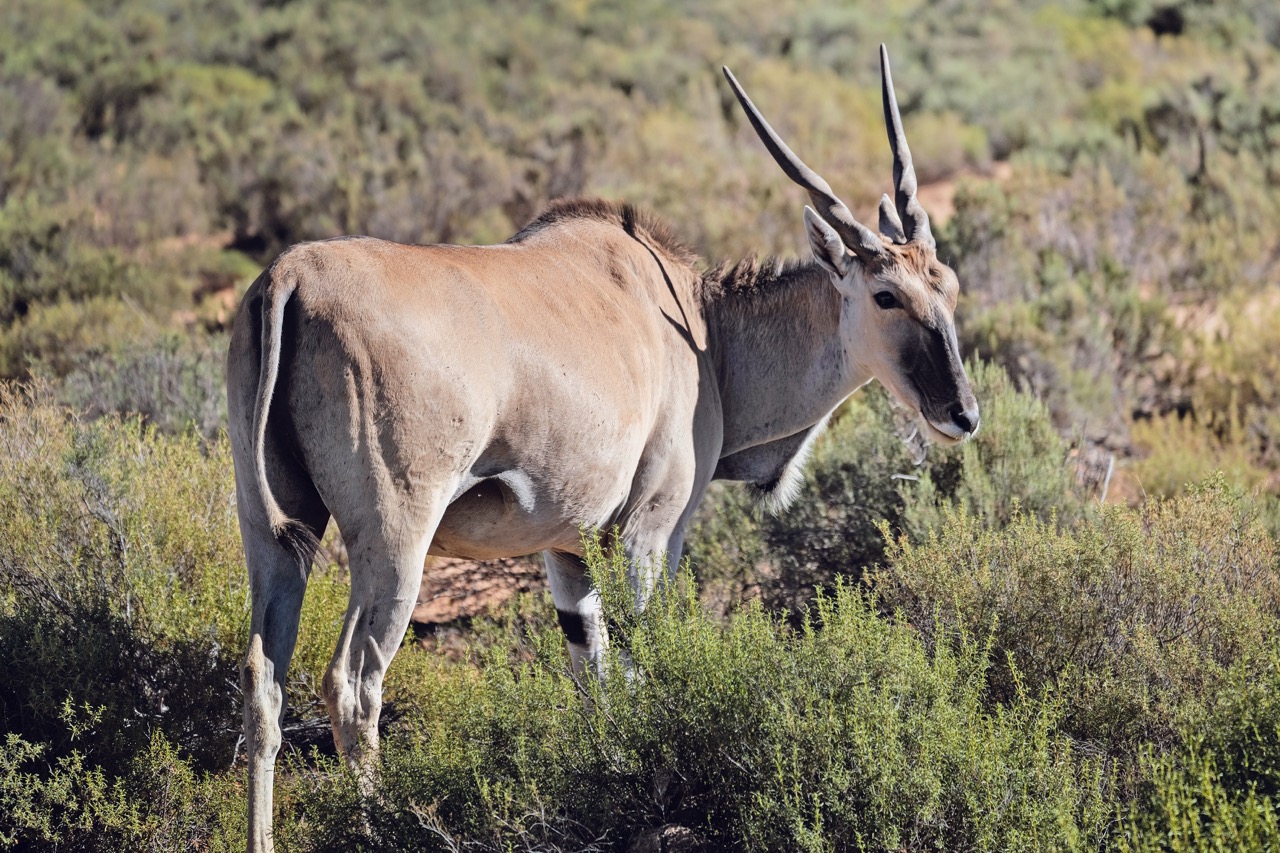
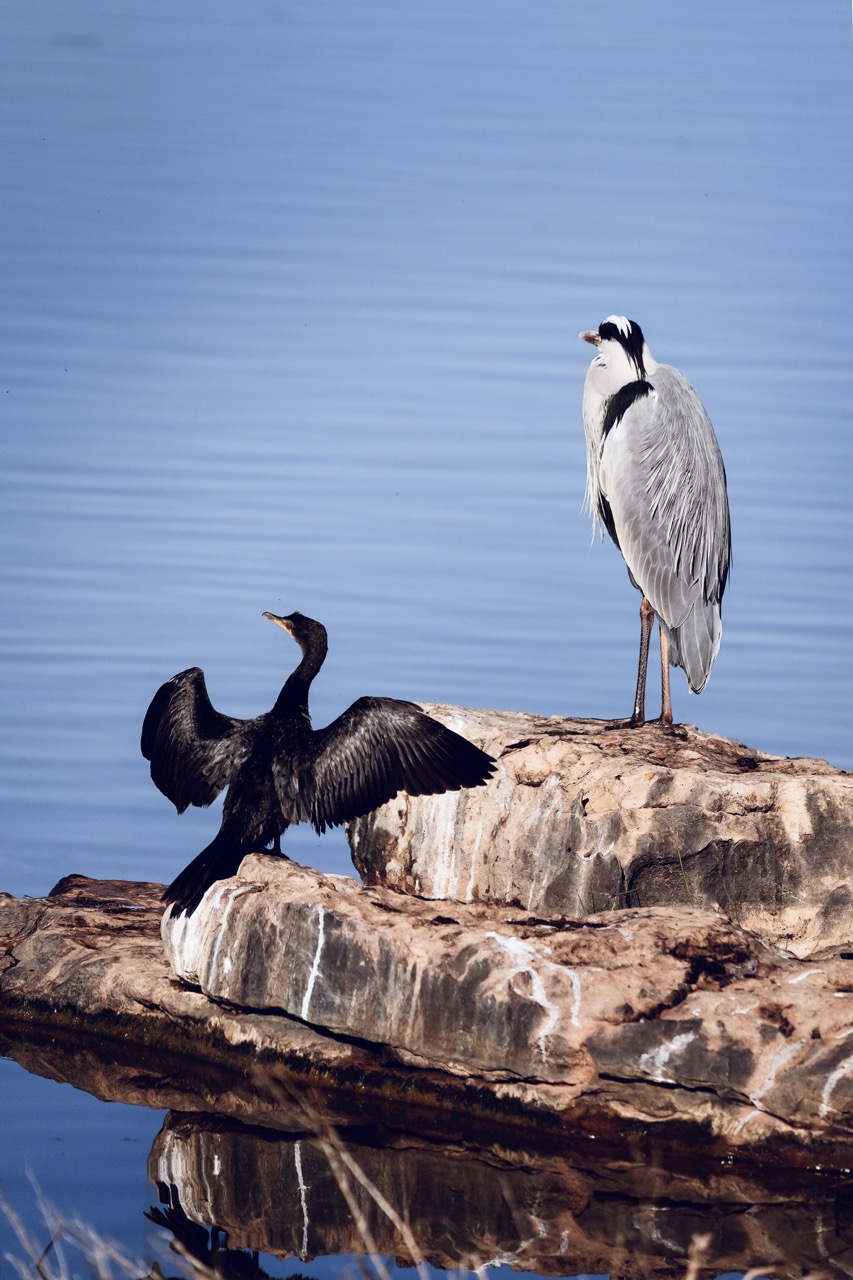
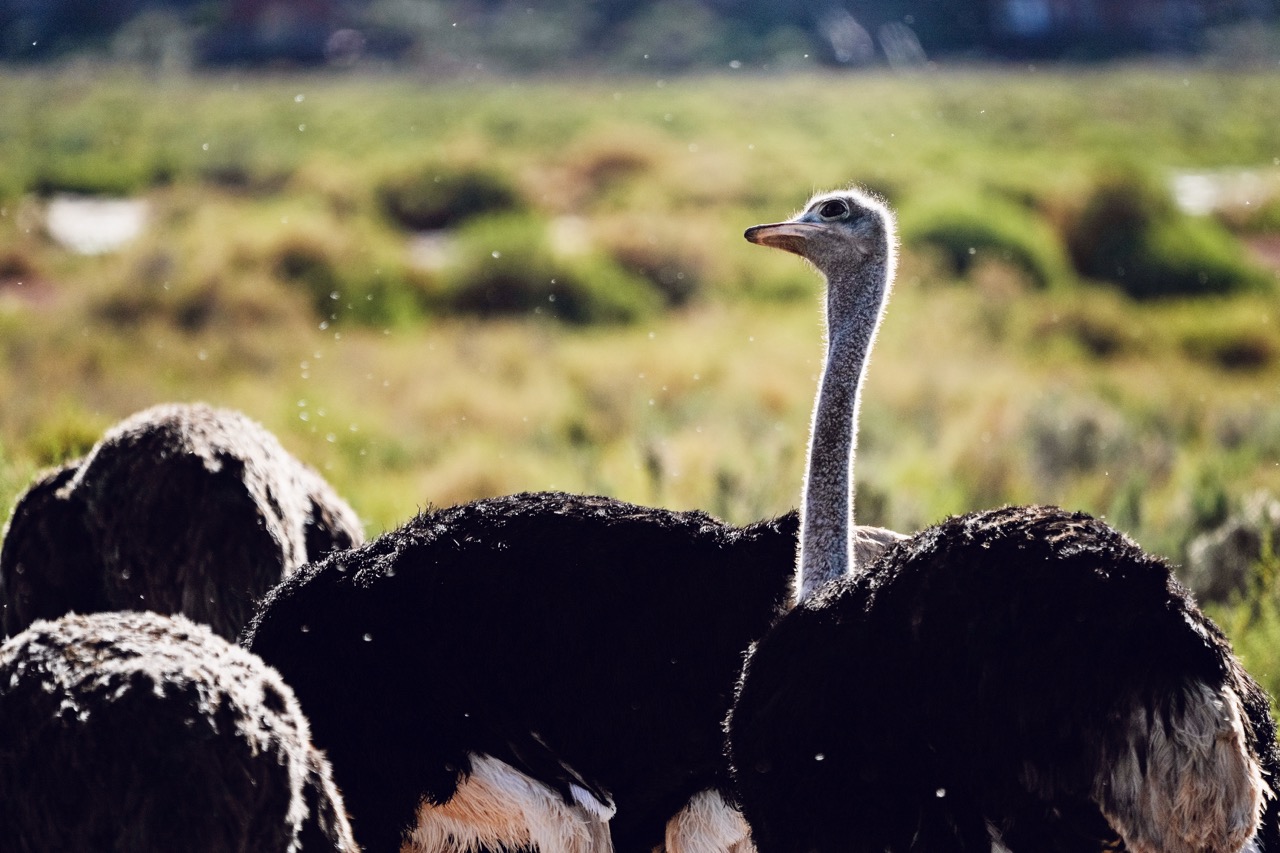
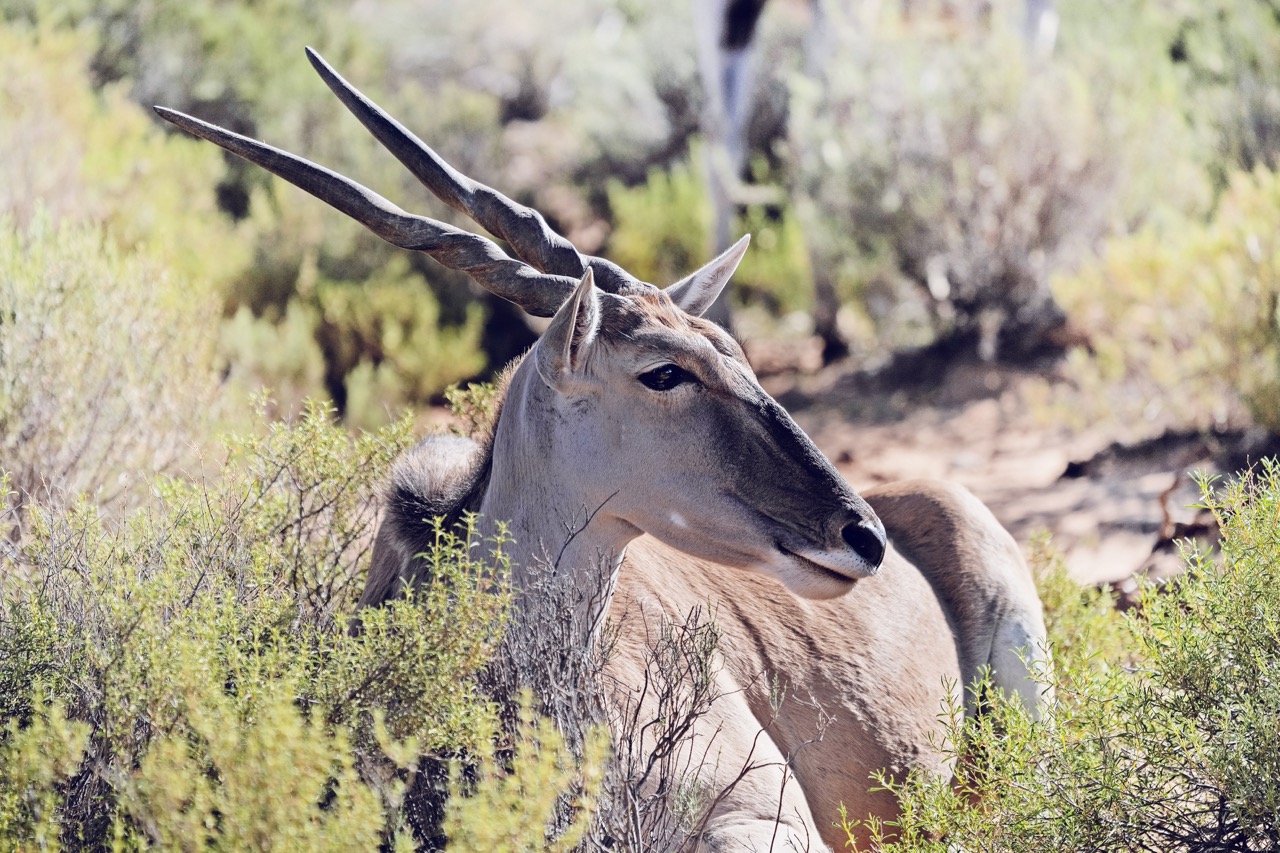
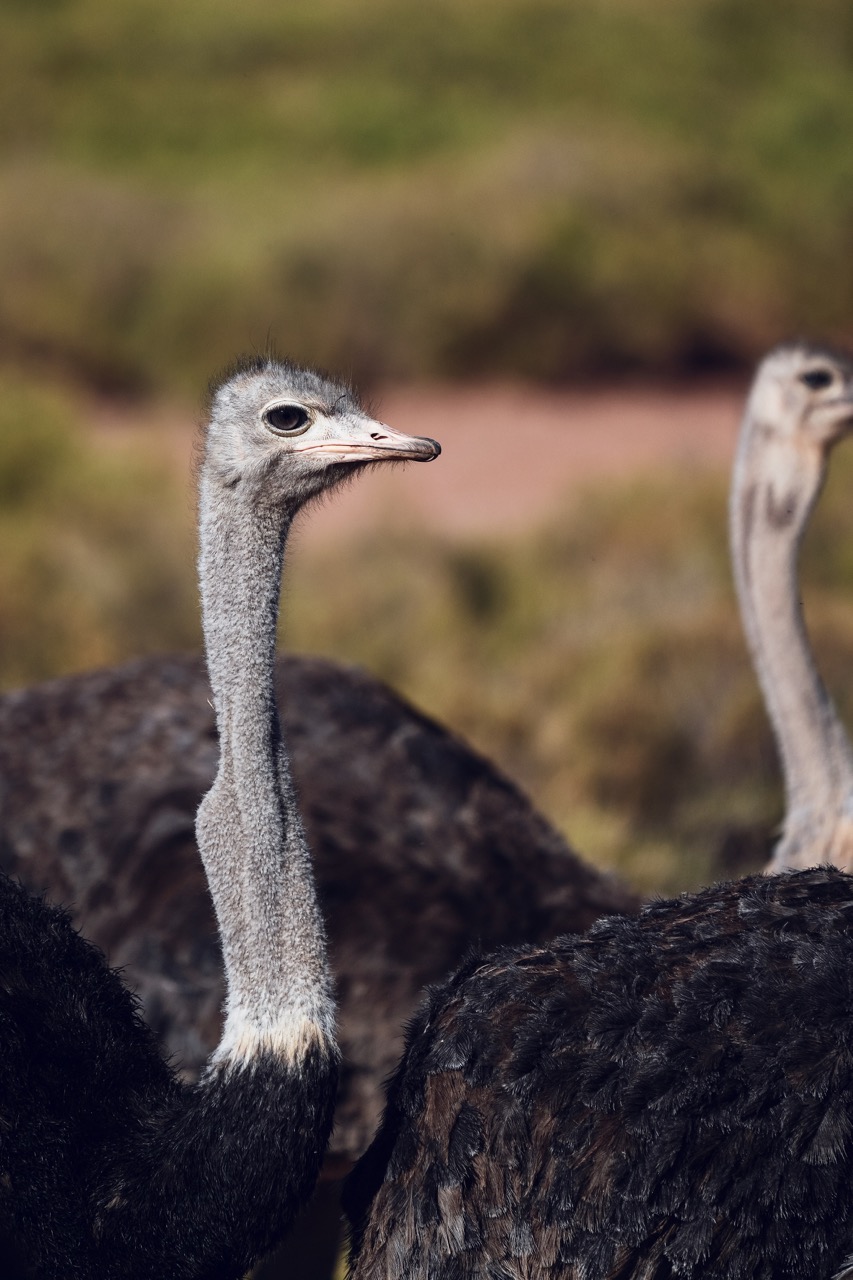
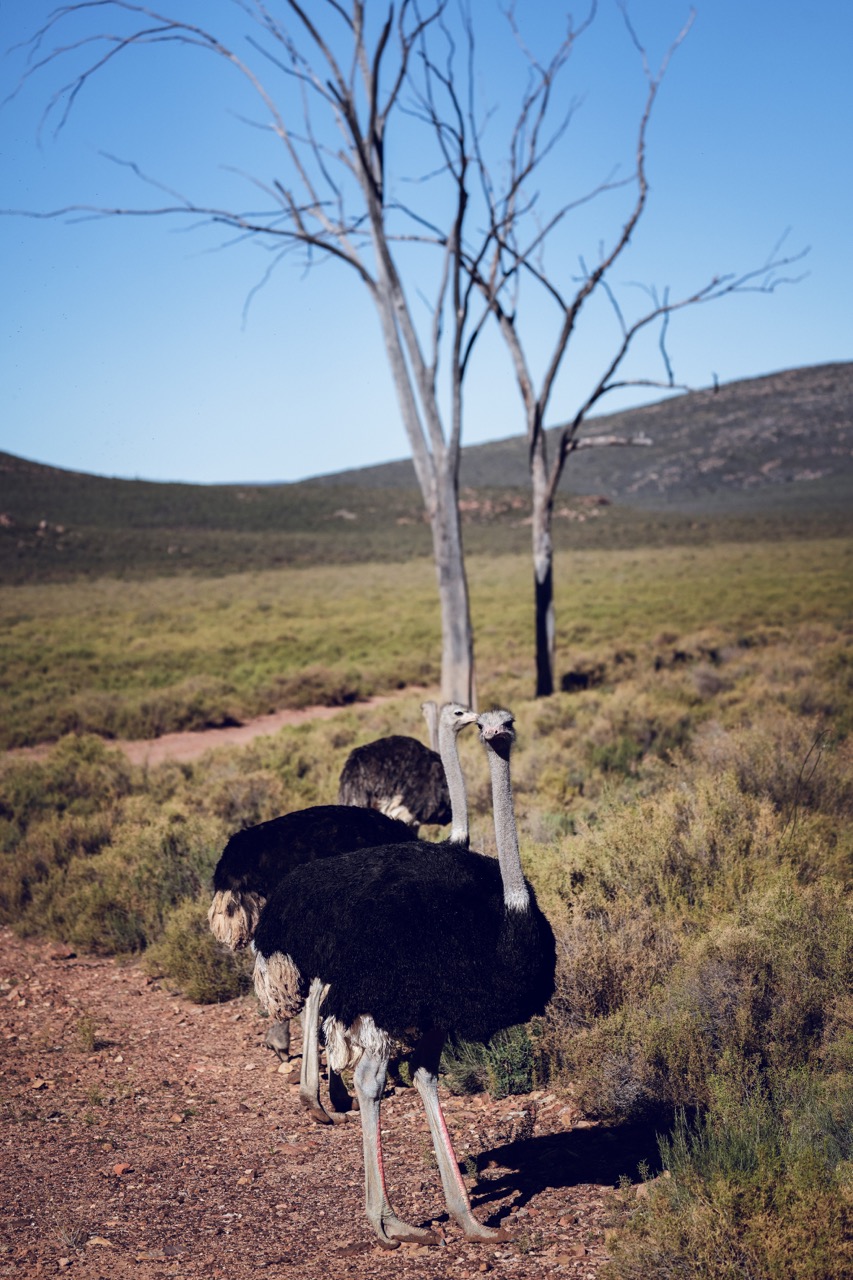
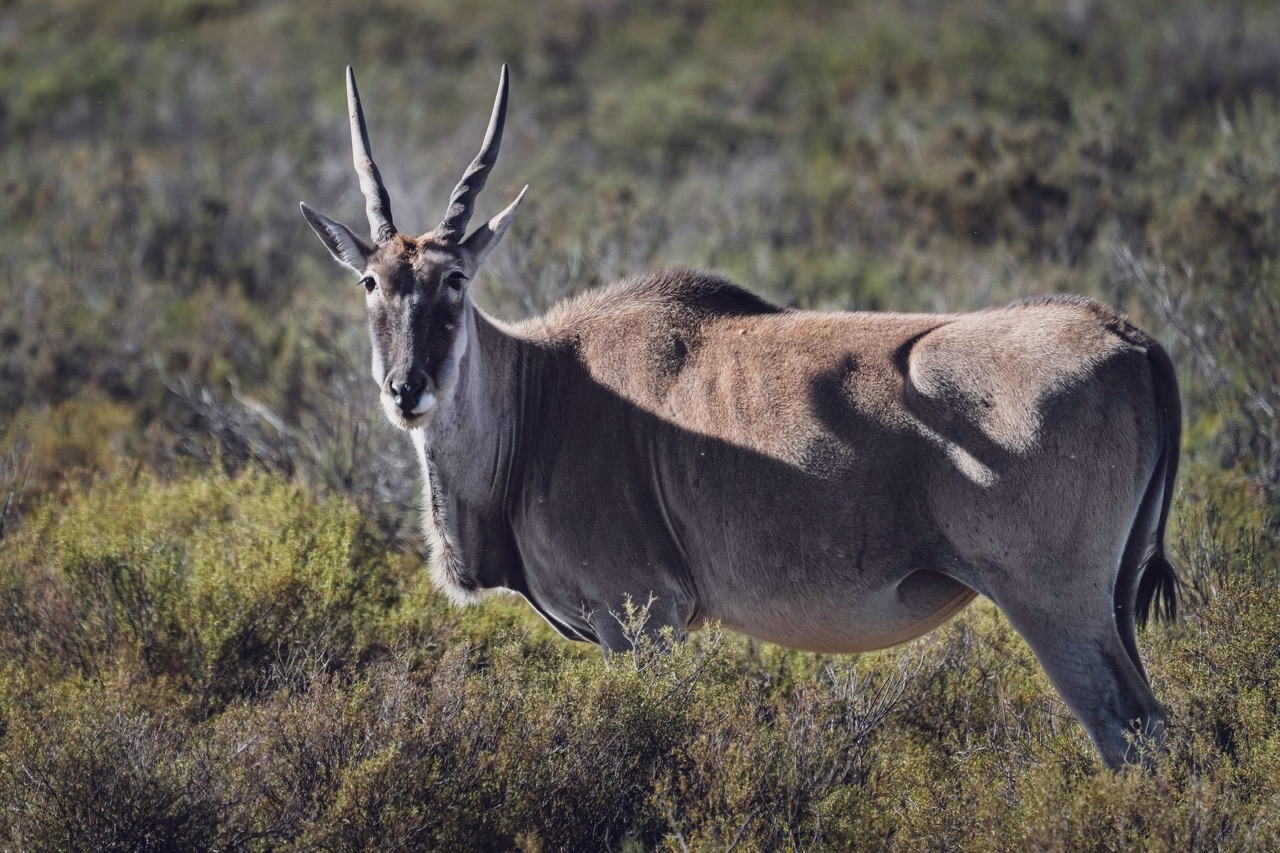
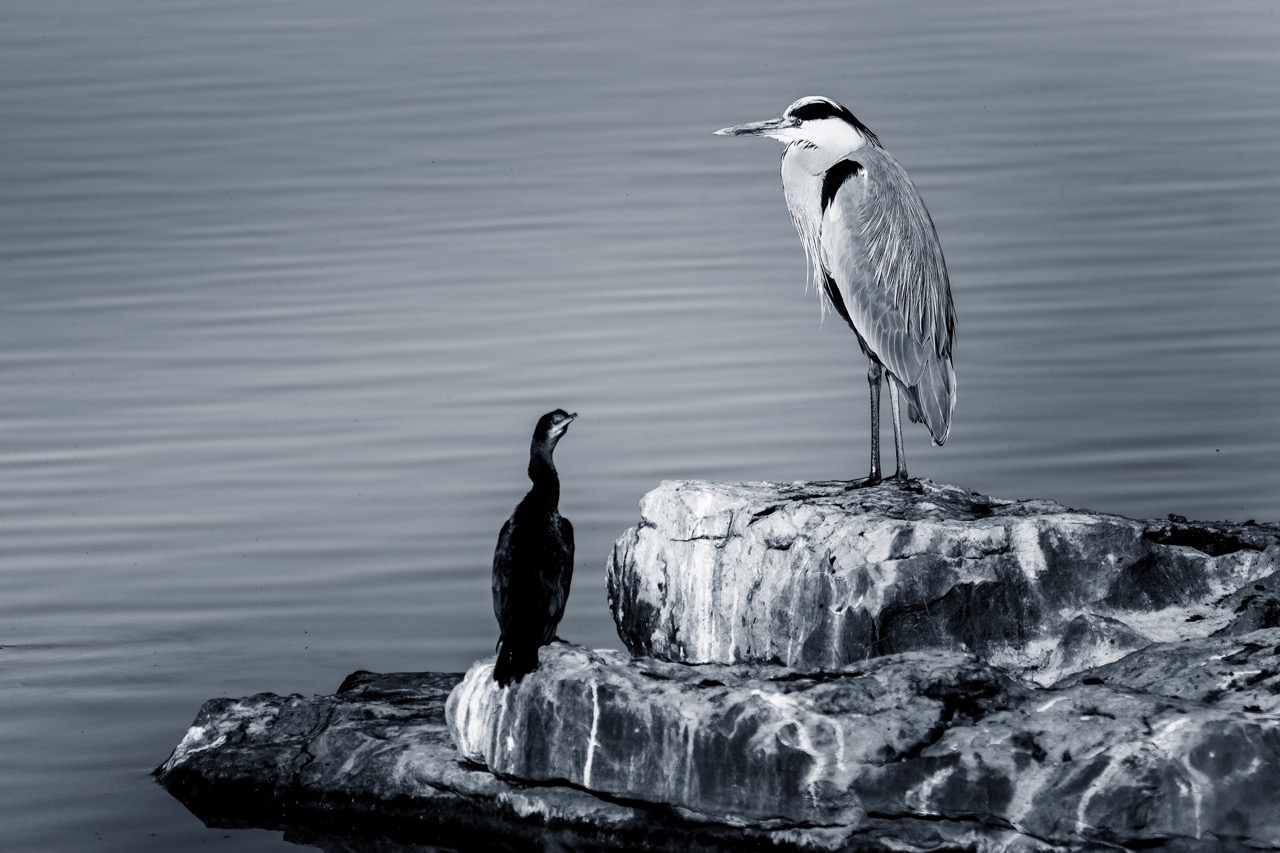
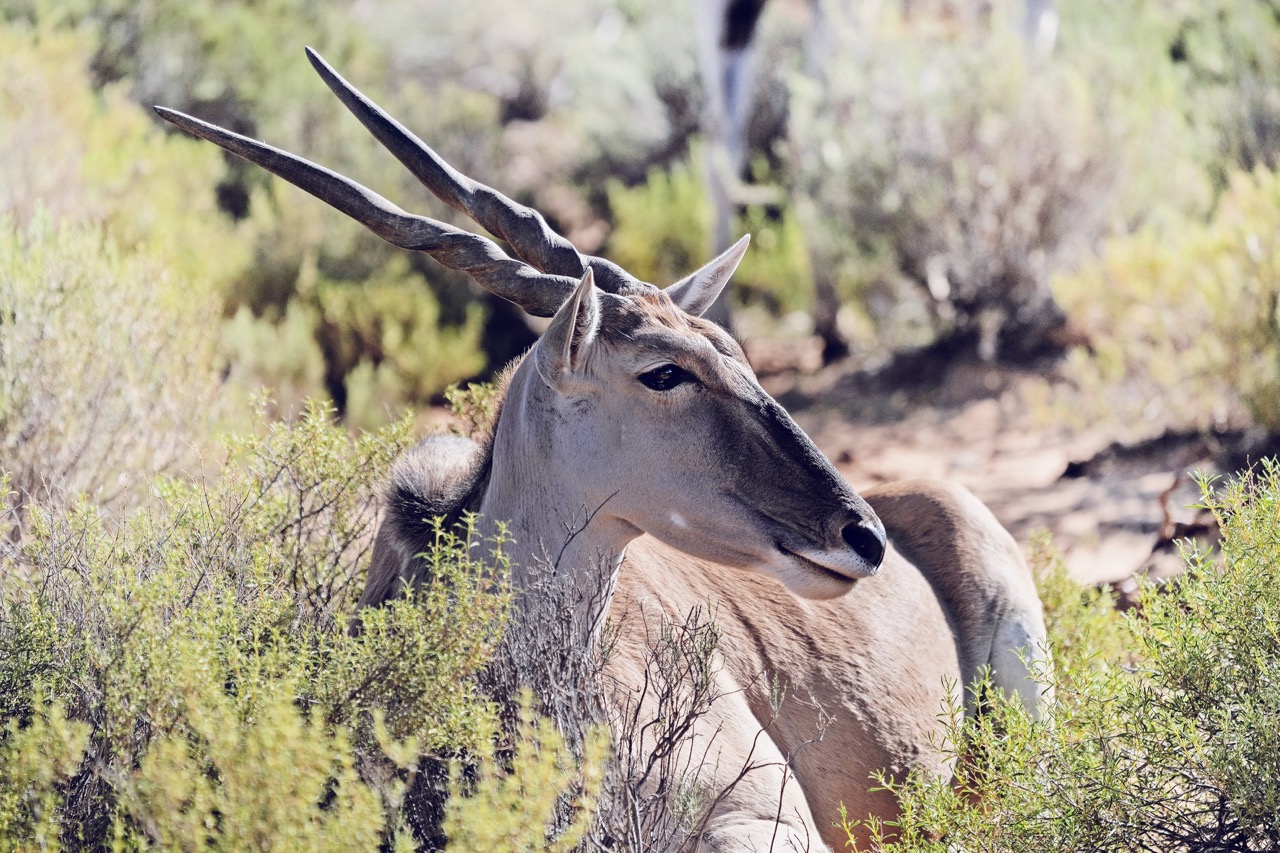
Our game drive started with our feathered friends. First, we were greeted by a grey heron poised on a rock in the water, accompanied by a double-crested cormorant stretching its wings out to catch more of the warm sun on its feathers. Then we came to the ostriches — elegant long legs and necks — with one curious male coming closer to investigate all these visitors with their cameras. We saw some beautiful eland — one of my personal favourites. They are majestic, soft creatures with an air of strength and calm surrounding them.
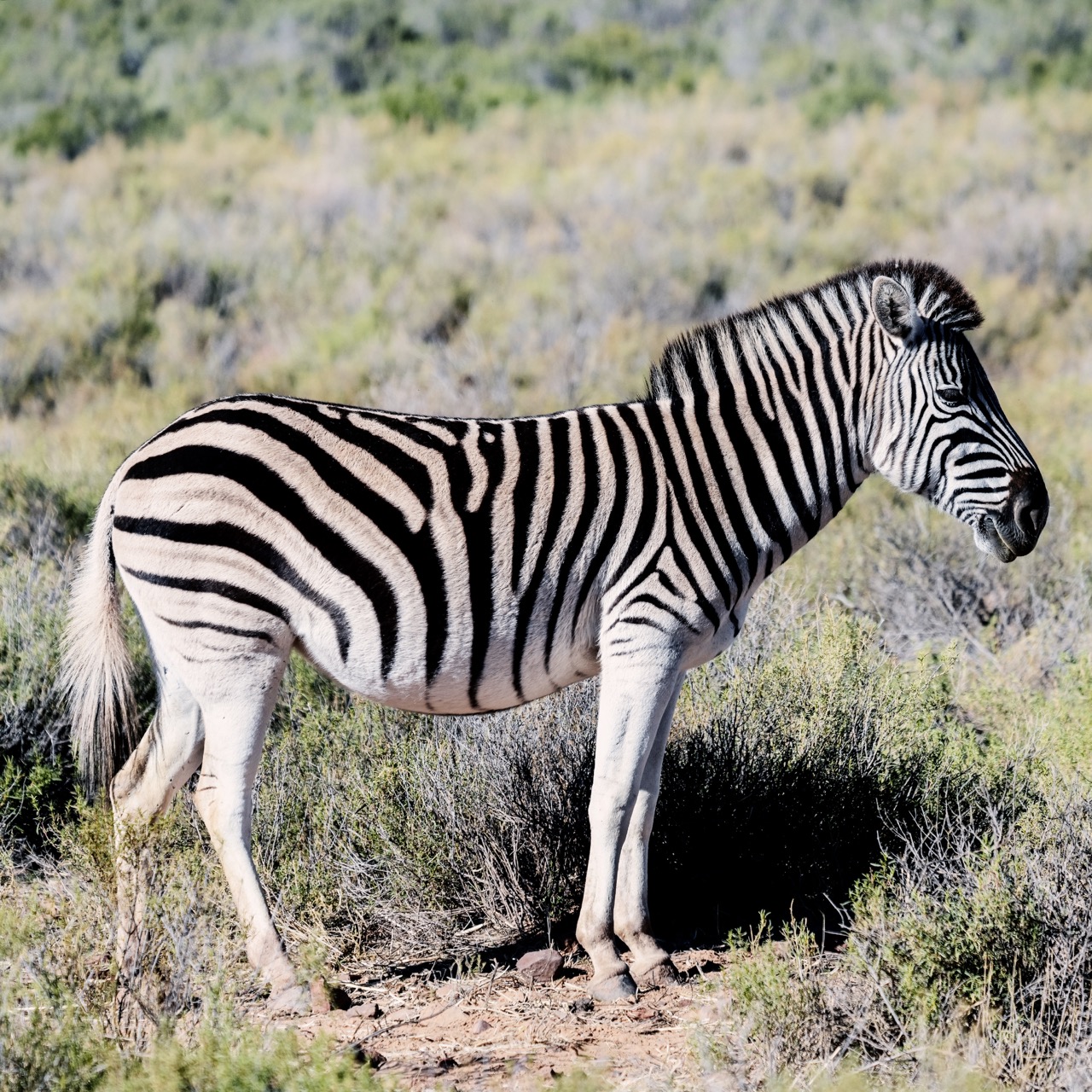
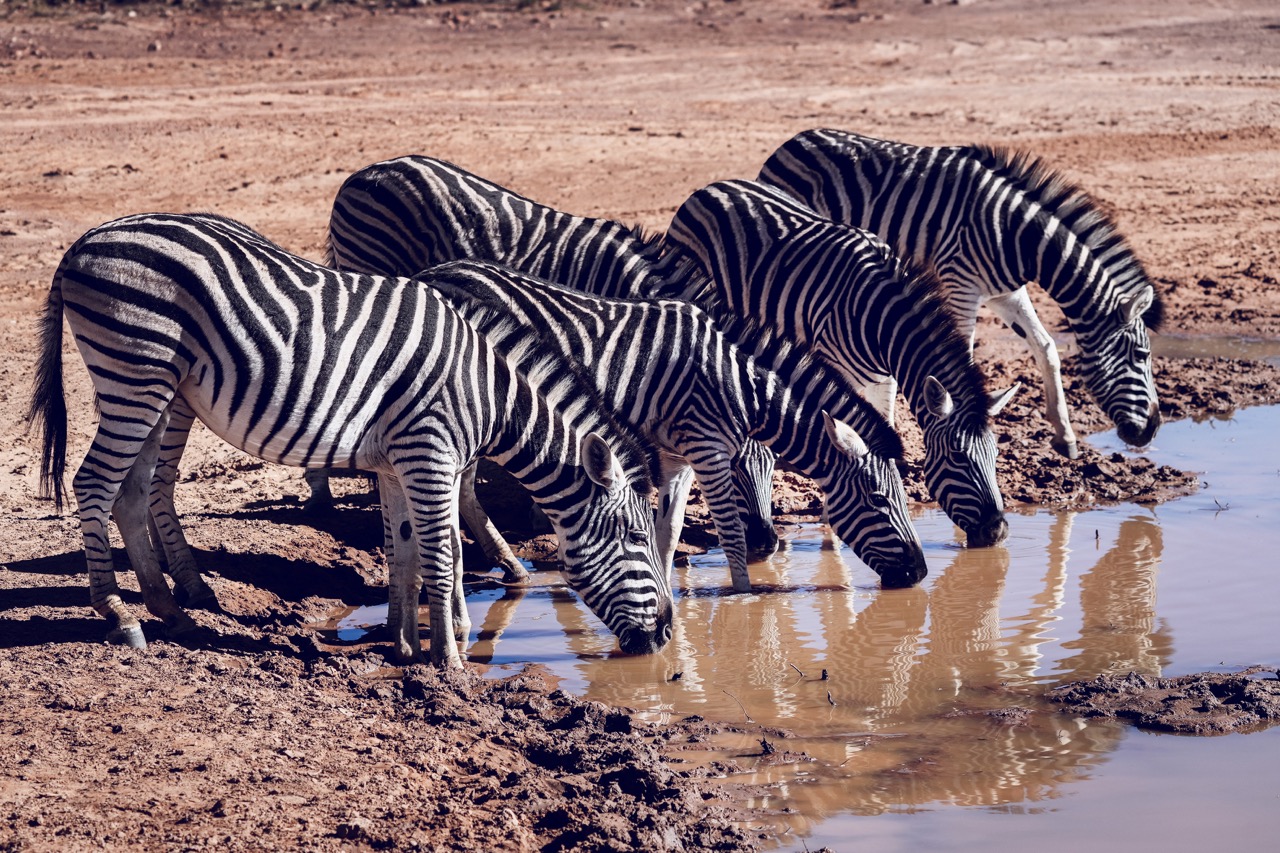
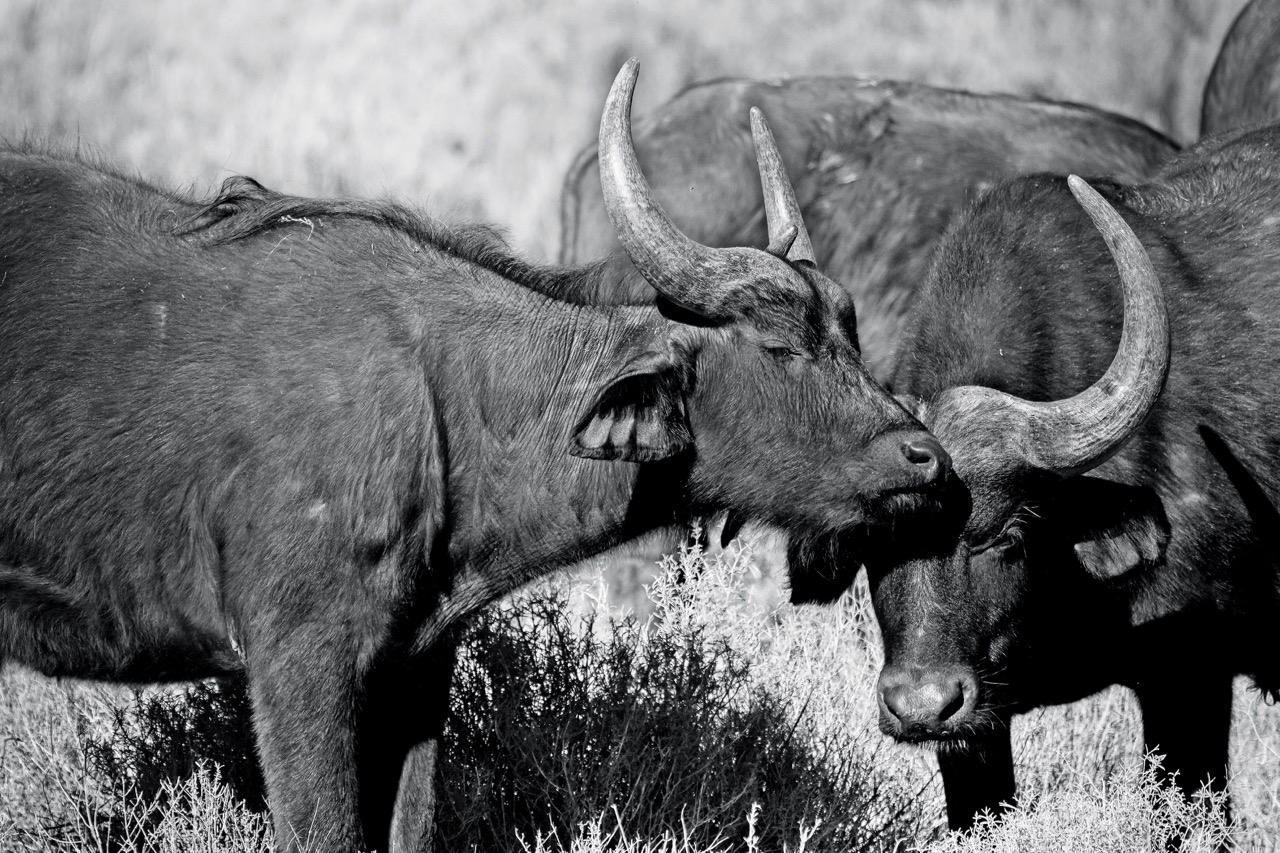
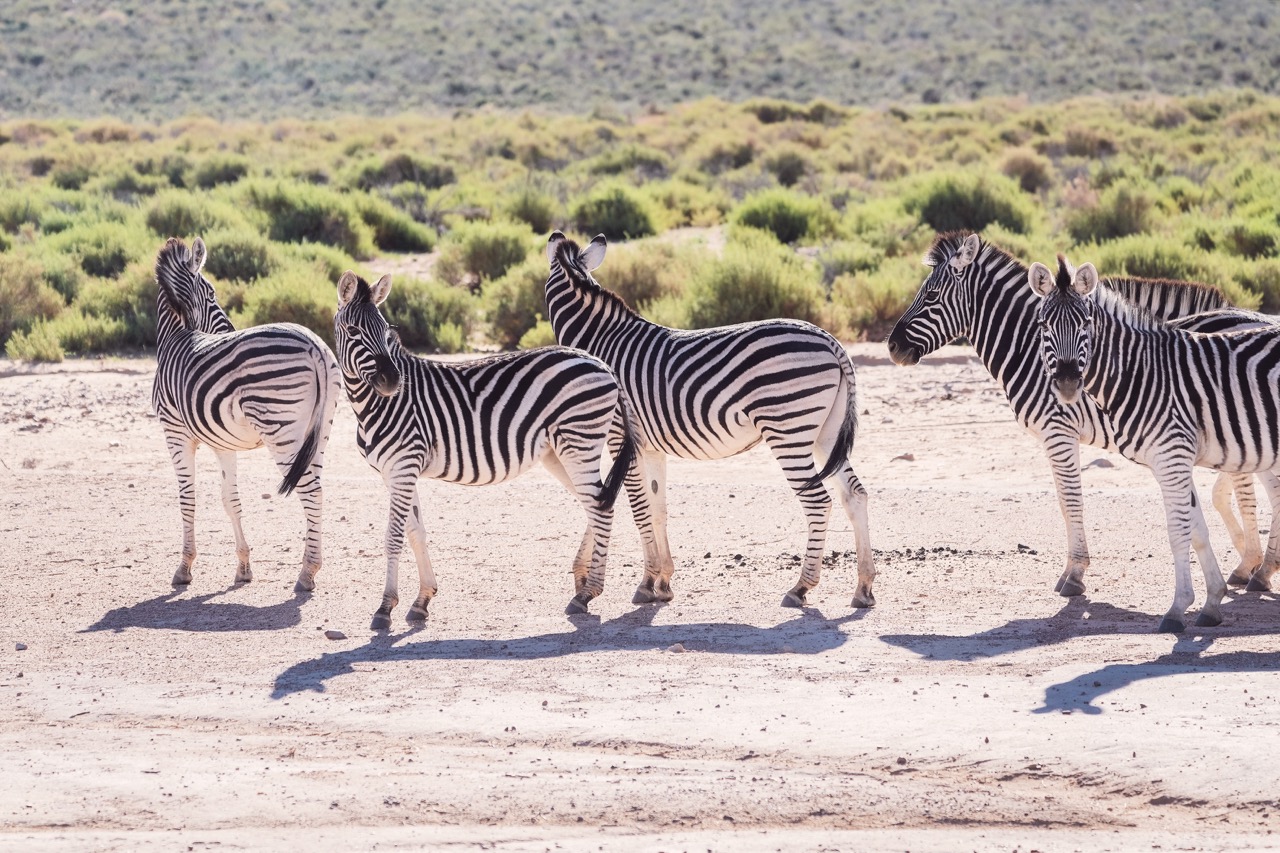
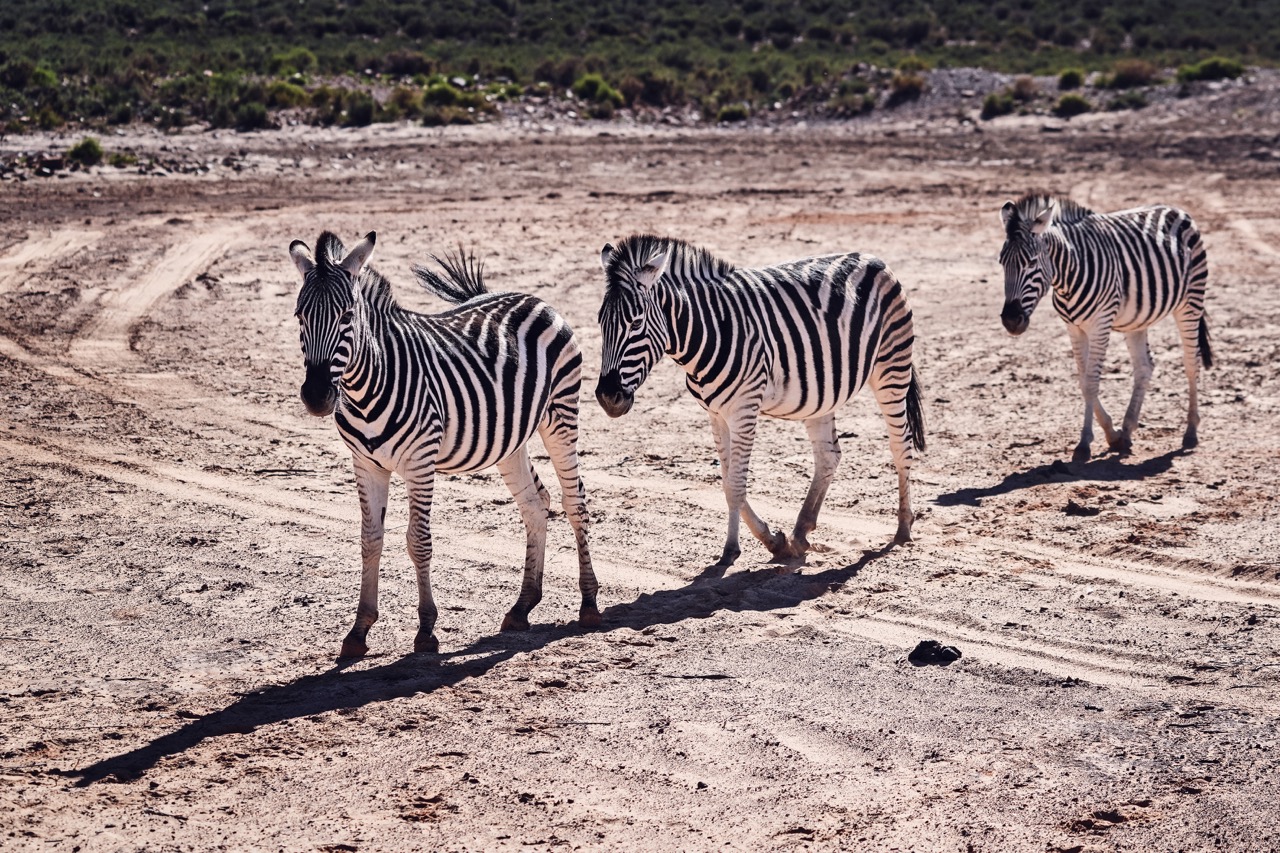
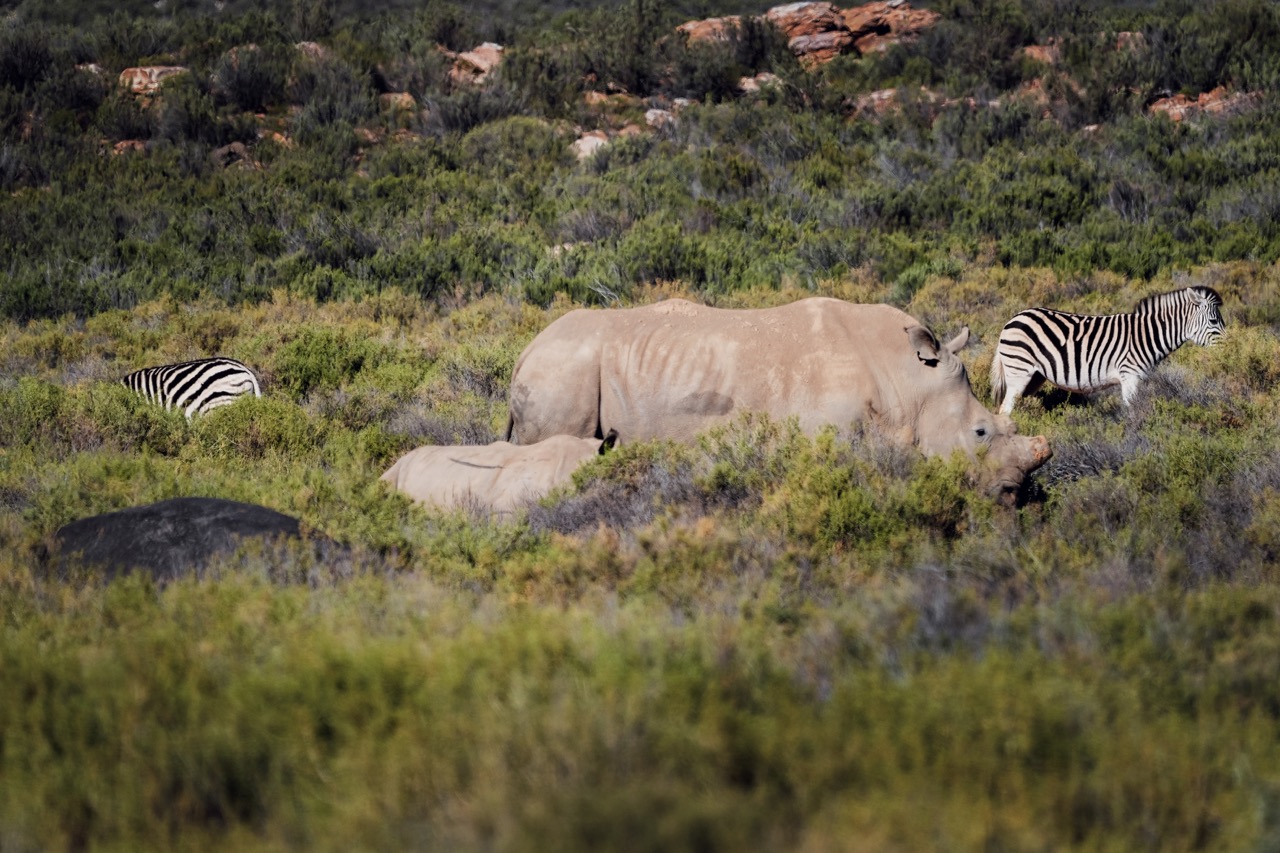
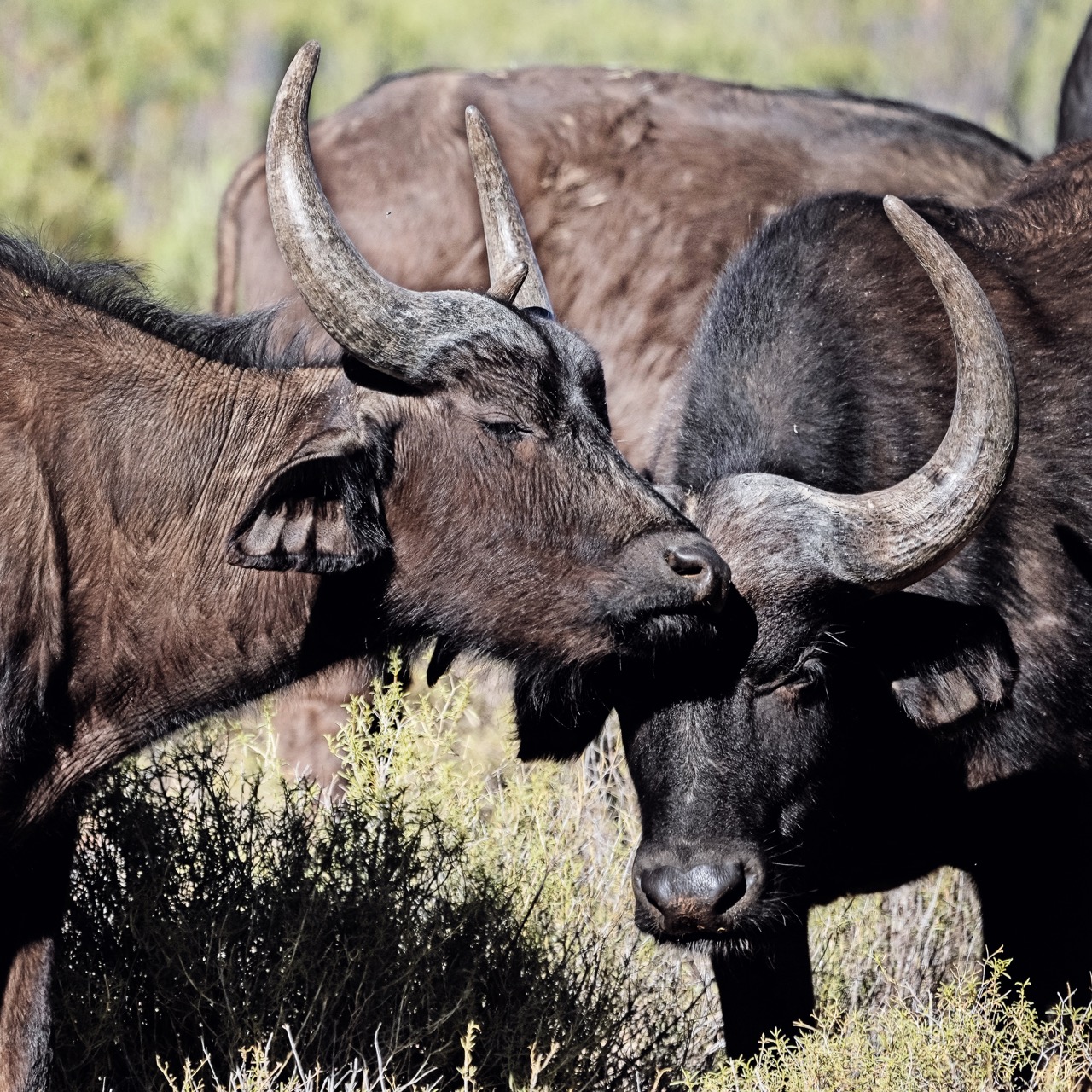
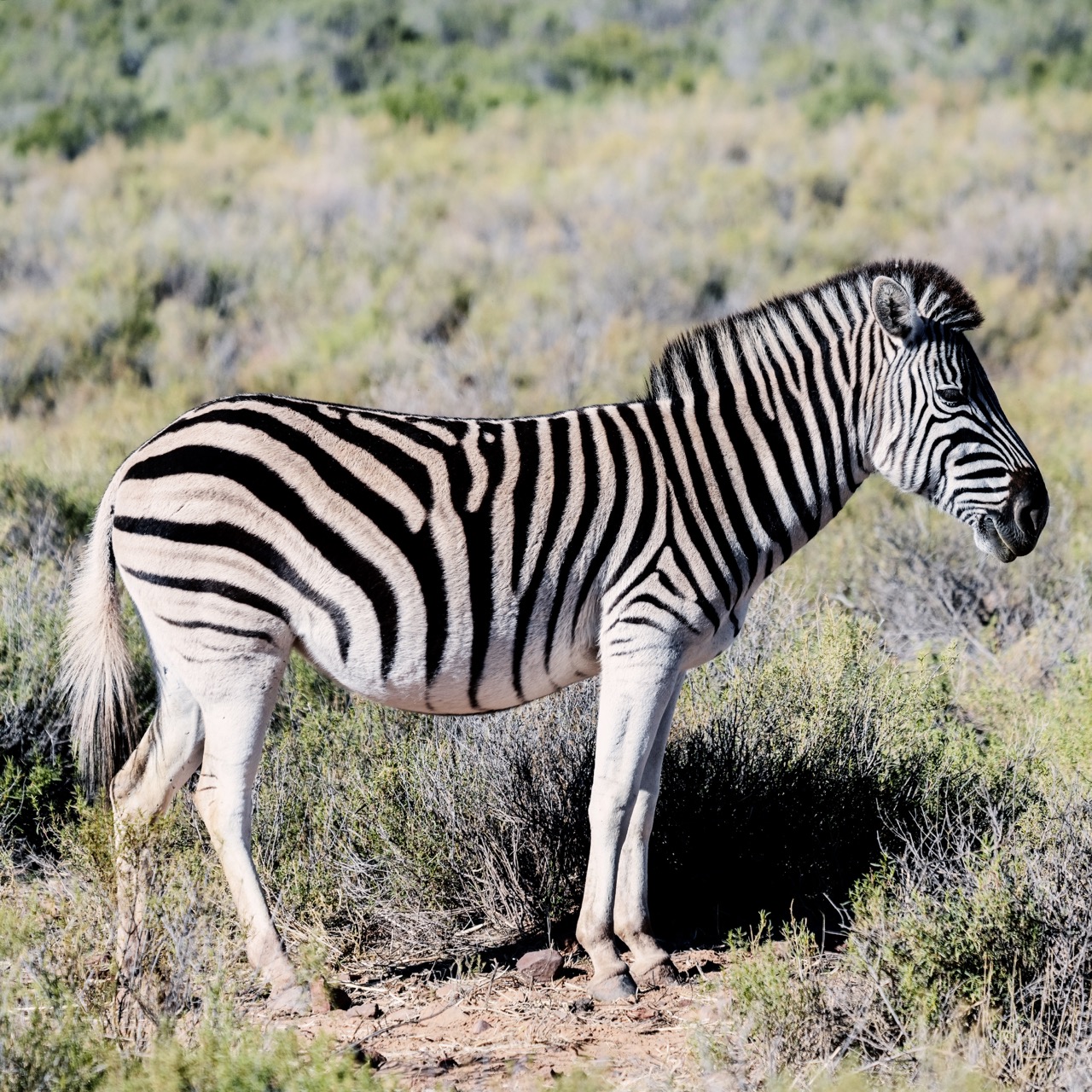
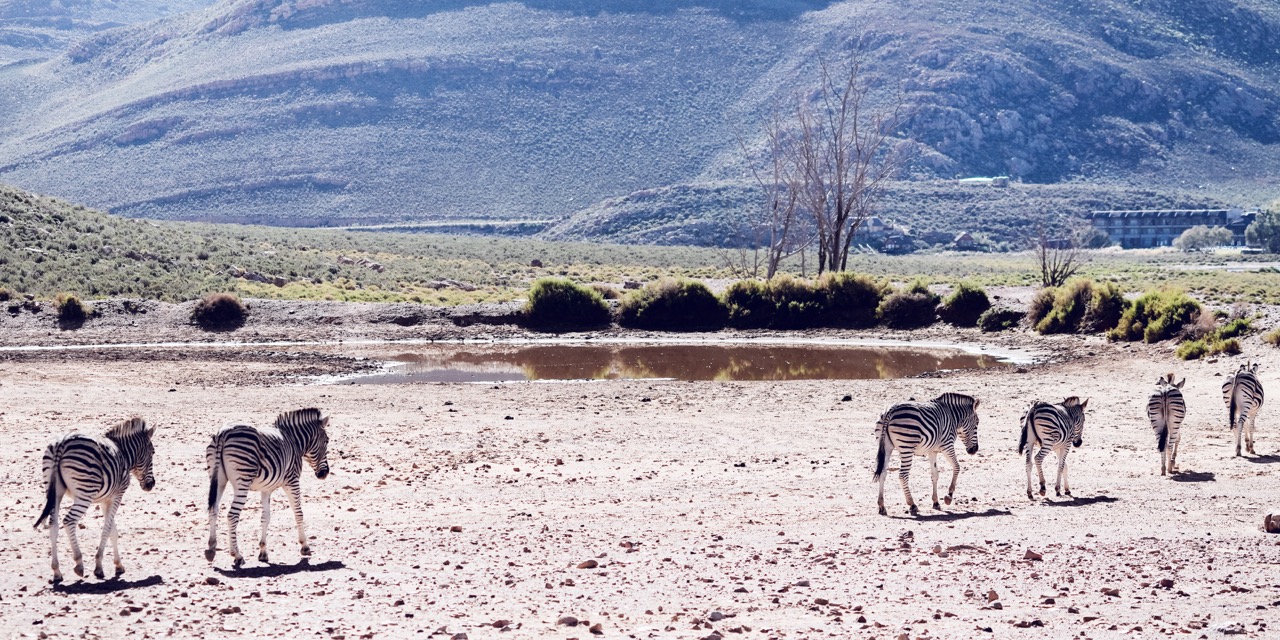
The zebras were grazing close to some buffalo. Zebras often graze alongside other herbivores like wildebeest and elephants for mutual benefit and safety. This “safety in numbers” strategy allows them to reduce their risk of predation, find more food resources, and share information about potential dangers. Zebras and wildebeest, for instance, have developed a symbiotic relationship: zebras’ keen eyesight helps spot predators, while wildebeest’s excellent hearing warns of danger.
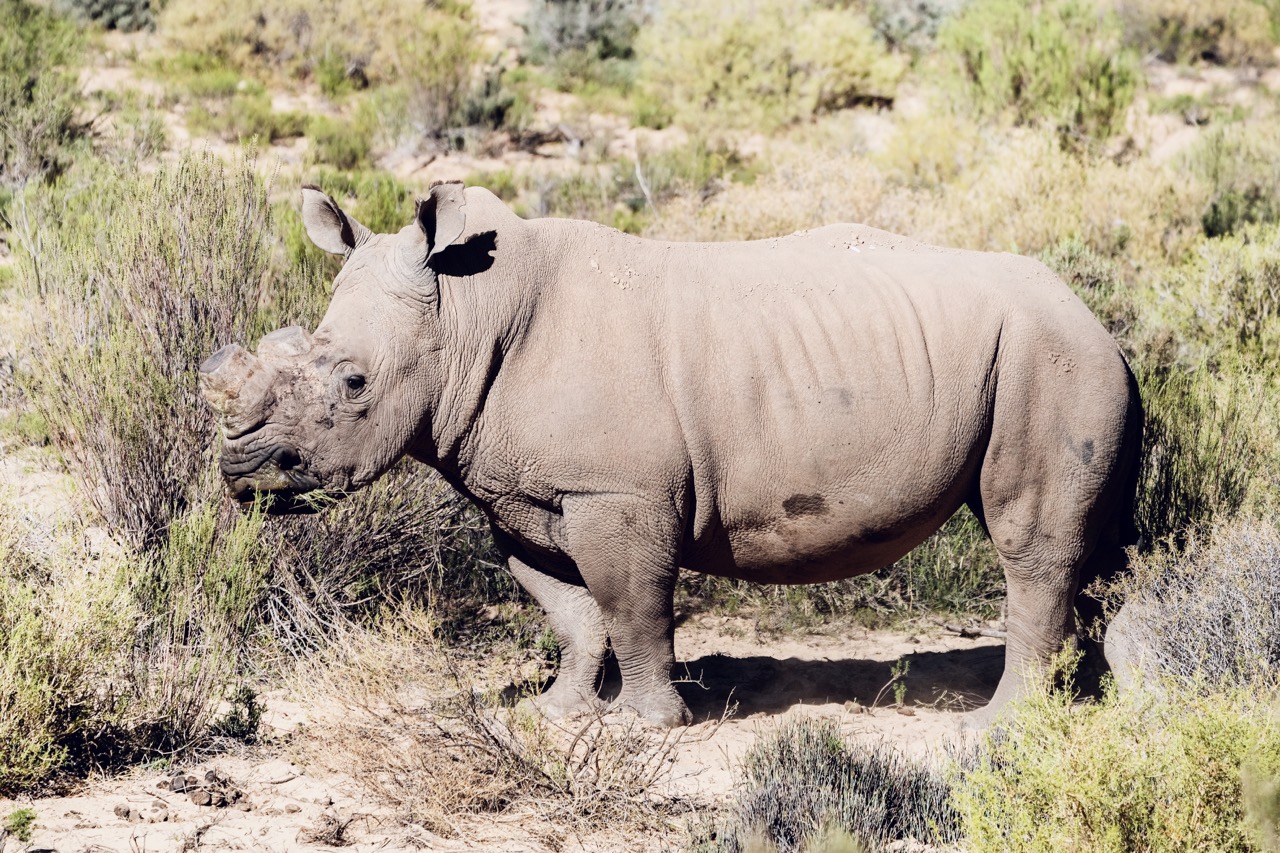
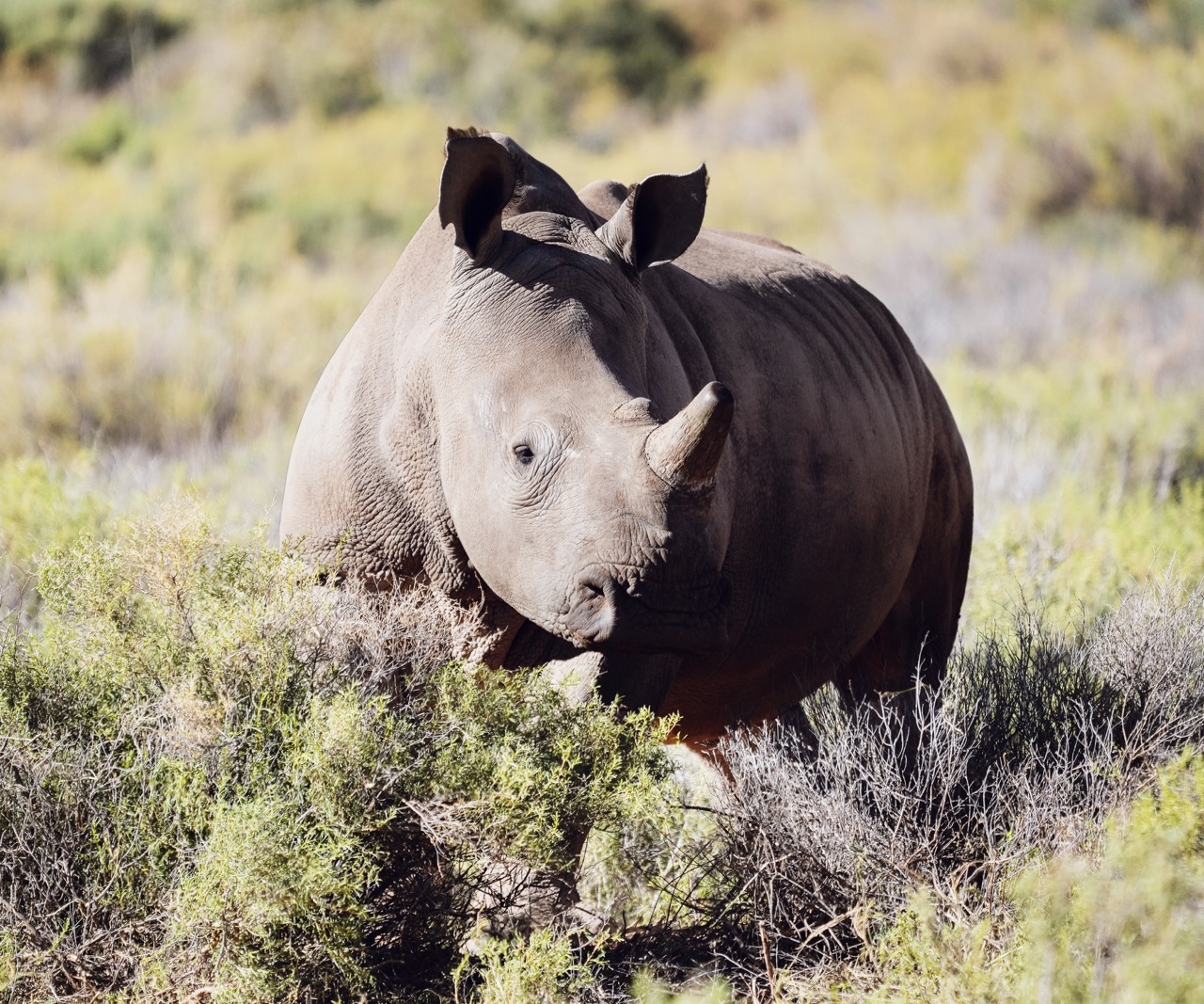
In between the tall grass, we spotted a hippo — clearly not in the mood for photos. An outcast, this one has on multiple occasions challenged the bull of the herd for dominance but has not succeeded, so he is often found alone. Some beautiful rhinos — their horns trimmed for safety against poachers — grazed not too far away. Driving on, we came across another herd of zebras, meandering toward the water with gentle confidence.
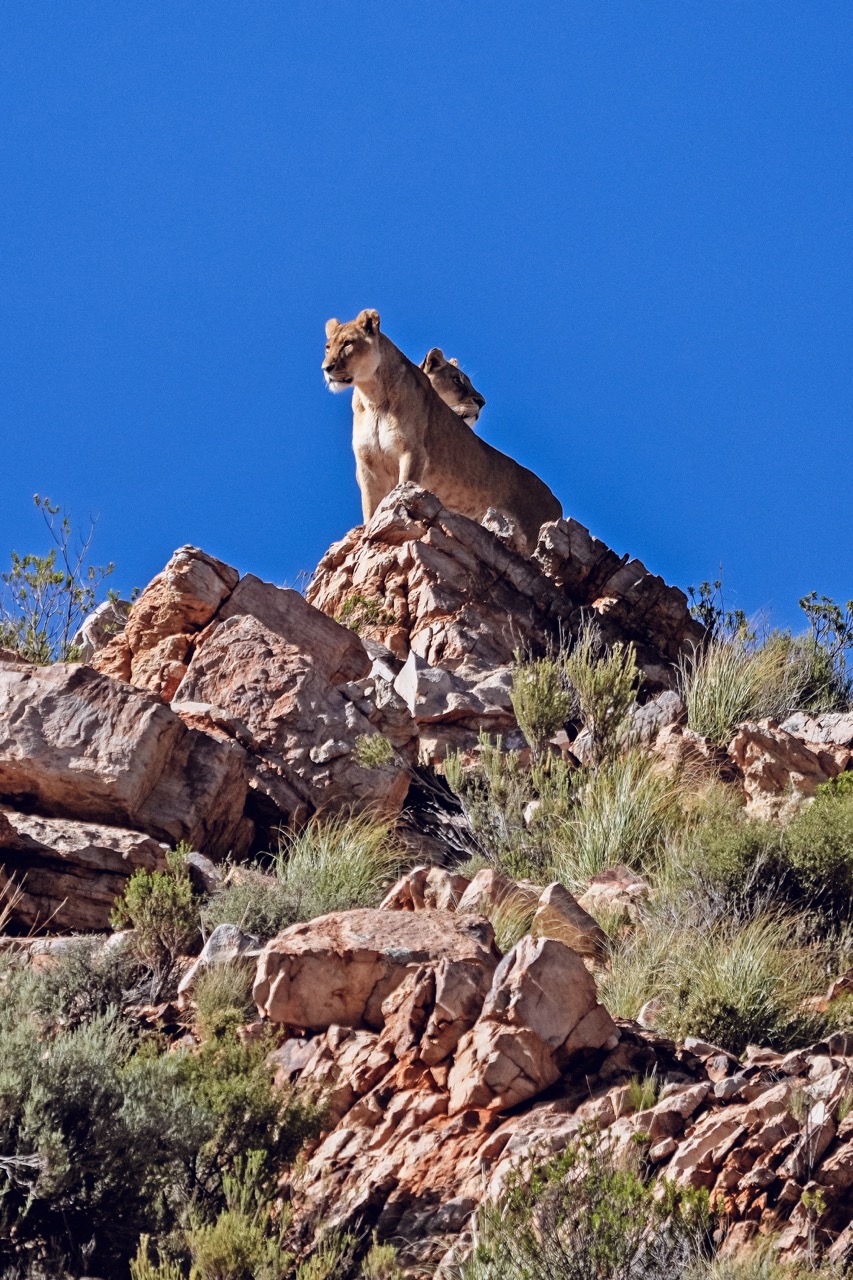
The lions at Aquila are kept in a separate enclosed area of the park. They stayed aloof and elegant on the ridge, looking down at us like slightly bored royalty.

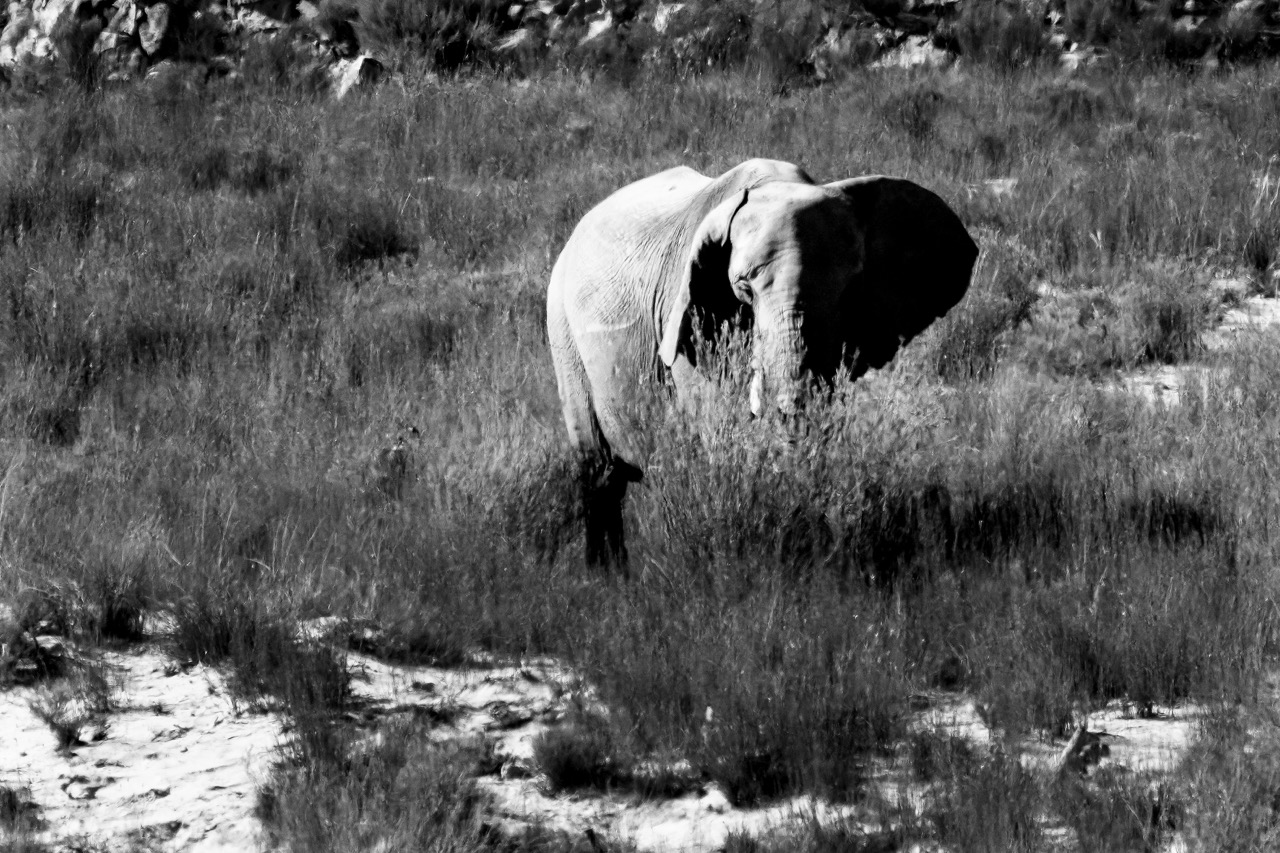
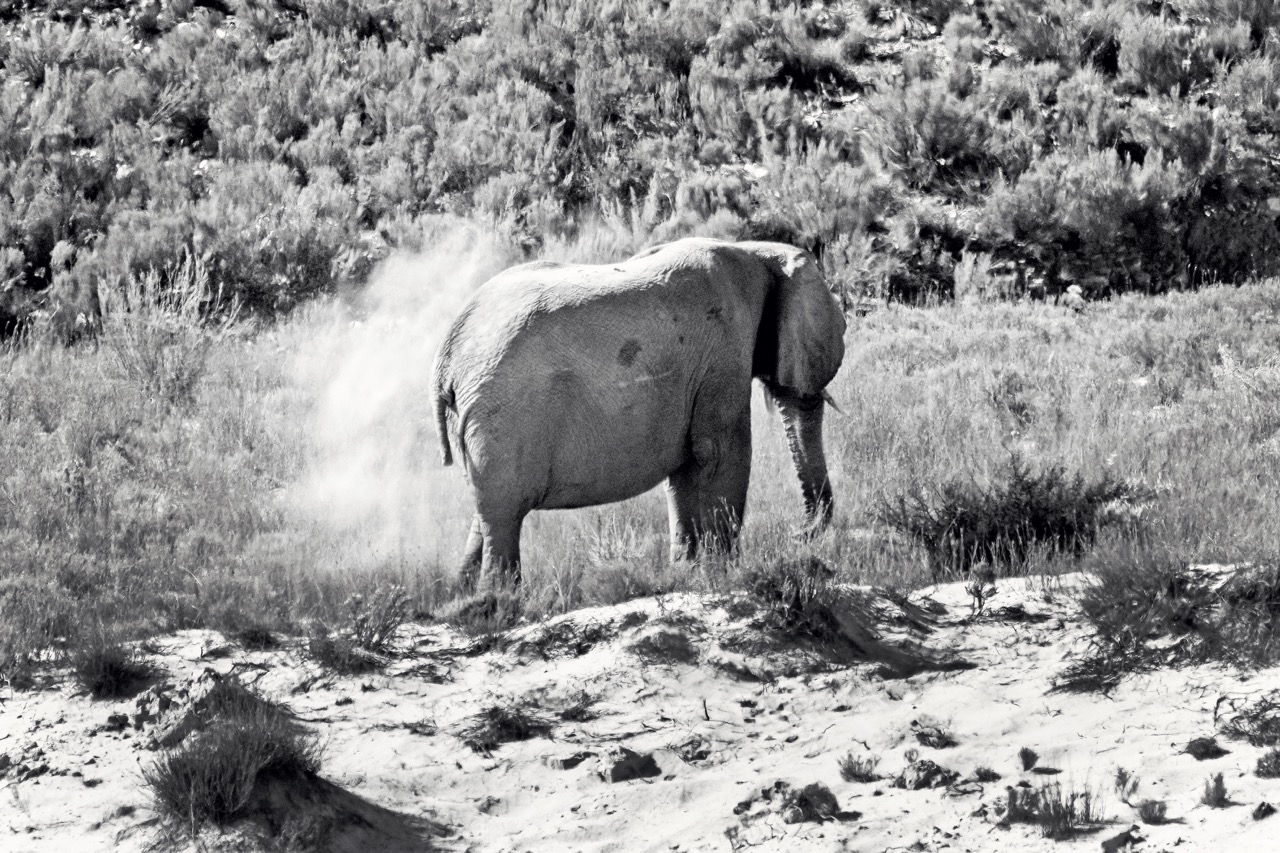
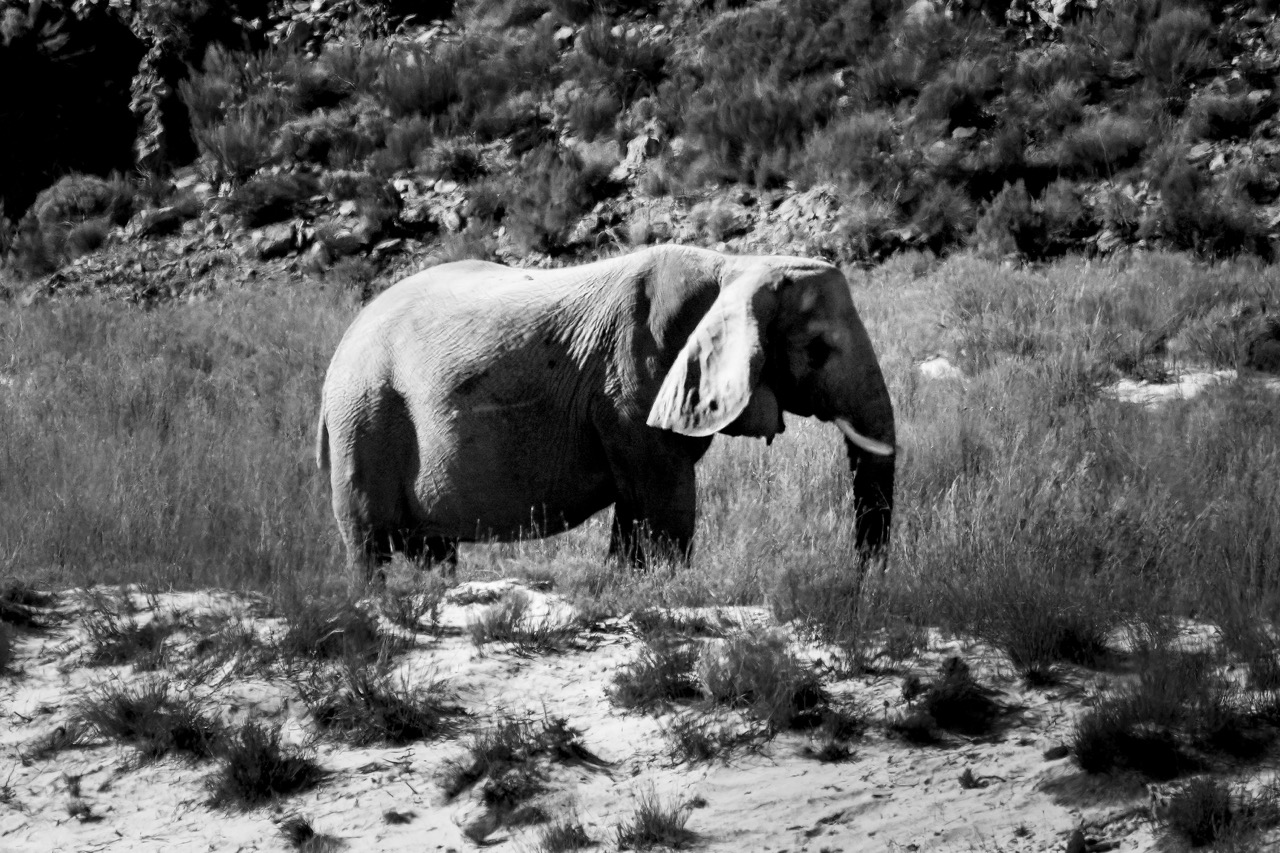
The elephants kept their distance. We spotted the female from afar. She came to Aquila with damage to the cartilage in her ear, which makes it difficult for her to regulate her body temperature — but she’s adapted. She swims or throws water over herself, followed by a dust bath, to help with regulation. There was something incredibly moving about watching her — strong and unbothered — finding her own way to be comfortable in a body that doesn’t work quite like the others.

Throughout the drive, our game ranger shared quiet insights and small stories. These weren’t just facts, but a kind of lived understanding — about the social structure of giraffe herds, the intricate ways rhinos communicate, how each animal fits into the broader picture of a reserve this size. It added layers to the experience — a sense that we weren’t just watching, but being gently let in.
Lunch was served buffet-style back at the lodge. There were many options — stews, vegetables, salads, roast chicken — though my choices were limited due to a sulphite allergy. Despite flagging this in advance, the message seemed to have gotten lost. A small reminder that food allergies are often misunderstood, even in otherwise thoughtful spaces.
In the afternoon, we had a choice between a spa session or quad biking. Thanks to Alex — always kind and quietly intuitive — we managed to arrange a horseback safari instead, something my husband had been dreaming about for weeks, galloping around the house with the kind of joy I secretly hoped the real horse would match. The horses are gentle, sure-footed, and know their routes. We moved quietly through the veld, giraffes watching from the trees, the landscape softening in the light. My horse was a stubborn foodie, stopping to nibble at every patch of green she could find — especially when she spotted a patch of clover near the end of our ride.

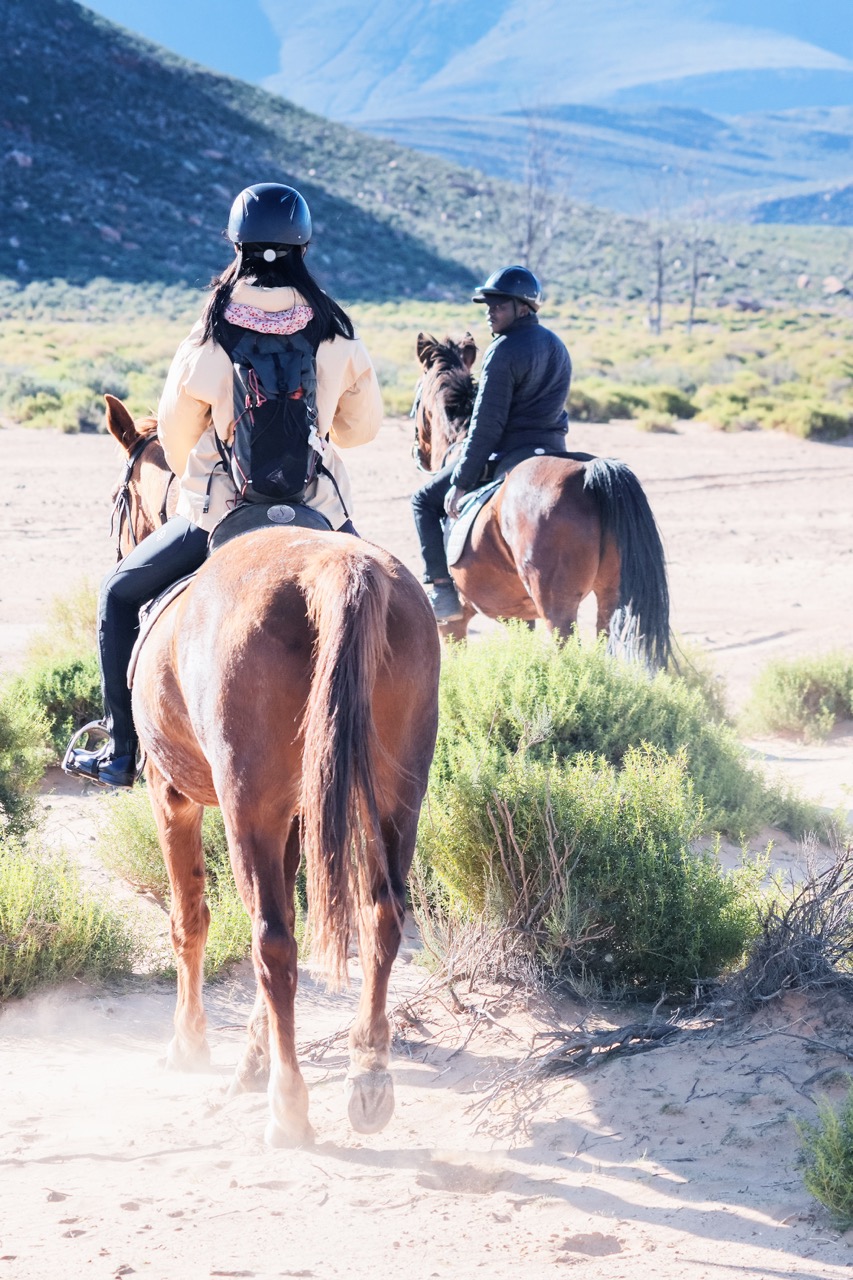
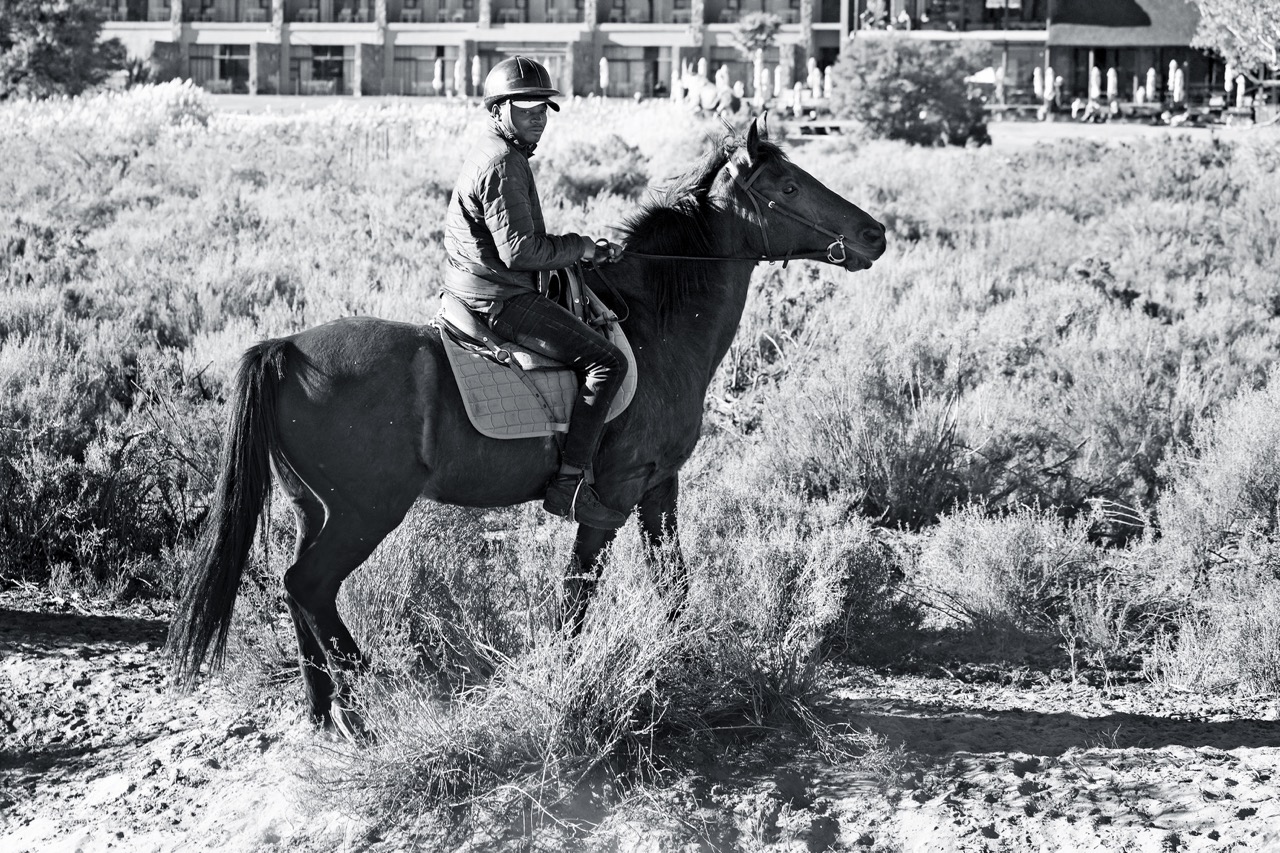


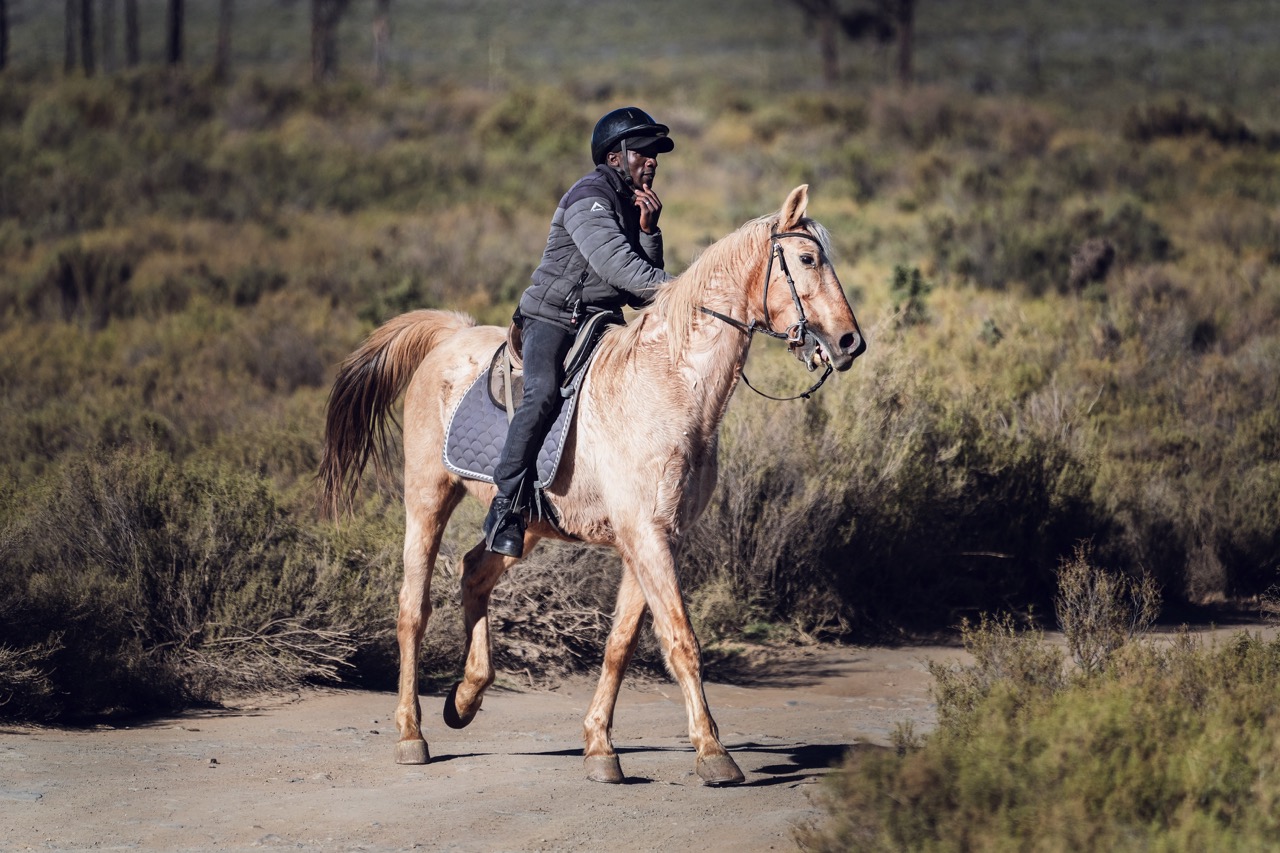
Back at the paddock, my husband was grinning like a child. We had just enough time to try the quad bikes too (the spa was fully booked for the second session). I’ll admit, I was nervous — I tend to trust living things more than machines — but after a slow start, I found a rhythm. We didn’t take the cameras along for that one — too much dust and jostling, and I wasn’t keen on risking the gear.
Each animal encounter felt unhurried and meaningful. At Aquila, the animals are familiar with the presence of humans. They’ve made peace with the oddness of our vehicles, and in return, we get to glimpse something fleeting — a zebra pausing mid-step, a rhino blinking against the sunlight, a lion stretching lazily on a ridge.


Aquila always feels like more than a game reserve. It’s a conservation-focused sanctuary, balancing luxury and responsibility. Their ARC centre — the Aquila Animal Rescue and Conservation Centre — works with animals that can’t be released into the wild due to injury or trauma. Some are permanent residents, others are rehabilitated and released. It’s quiet, vital work. They also run initiatives like the Save the Private Rhino campaign and the Black Eagle Project. Aquila is deeply committed to sustainability — from waste management to water reuse systems. There’s also a Junior Ranger programme for children, giving younger visitors a hands-on understanding of wildlife protection.
We left as the light began to soften — cards full of images and minds full of stories. One last stop outside Worcester for coffee — of course — before the final stretch home.
As for the camera? The Sony Alpha 7CR impressed me more than I expected. It’s light, intuitive, and the pairing with the 100–400mm GM lens gave me crisp detail and quick focus, even in unpredictable light. The dynamic range is generous, and the files hold up beautifully under a crop. I appreciated the range of autofocus modes — animal, bird, human, insect — though it occasionally missed the mark until I got more familiar with the settings. The lens is not exactly light, but manageable — though definitely not something you want to shoot one-handed from the back of a moving horse. I appreciated the flip-out screen for awkward angles, and the menu system didn’t require a degree to understand. The battery life drained faster than I’m used to, but nothing that couldn’t be managed with spares. For a camera that fits so neatly in your hand, it packs a surprising punch. Whether I’ll convert to Sony remains to be seen — I think I need a few more outings, a few different lenses. But it’s a strong contender, and a refreshing experience.
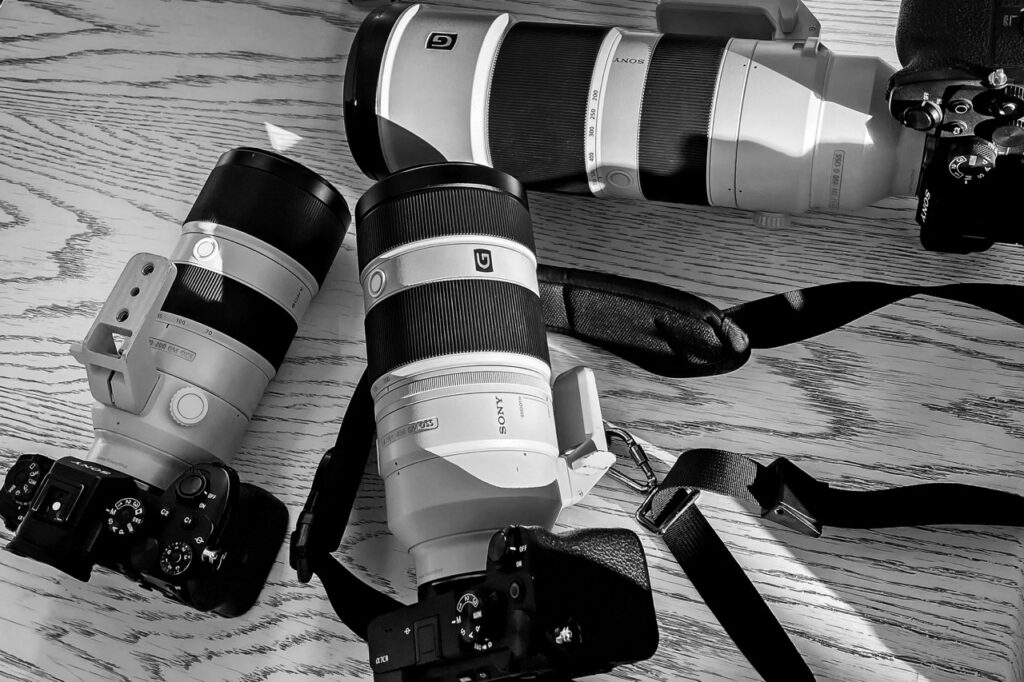


Big thanks to Sony Alpha South Africa for the gear and the opportunity to explore something new, and to the ever-supportive team at ORMS who keep making experiences like these feel effortless.
Aquila reminded me, once again, why we return to the wild. Not just for the photographs, but for the hush it puts in your chest. For the dust on your boots. For the stories you can’t quite tell — only carry.

